


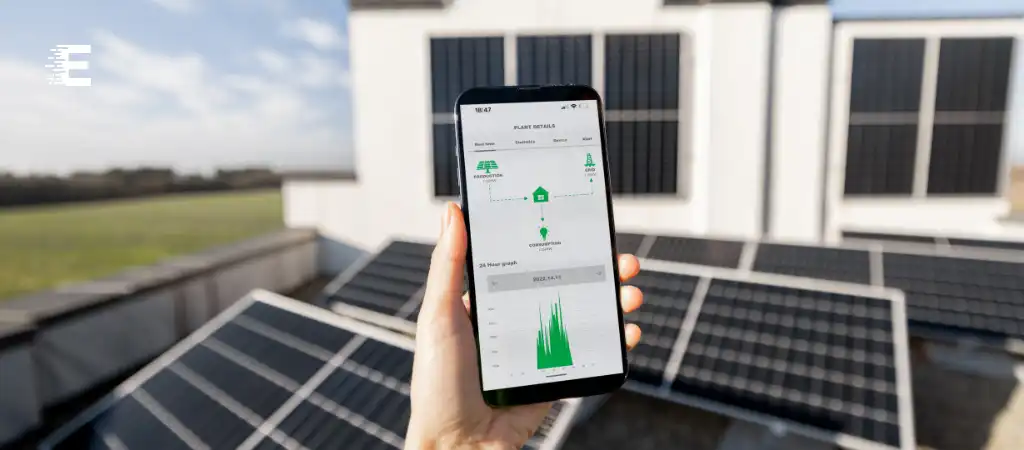
In the modern world, energy technology has become an integral part of our daily lives. From powering our homes and industries to enabling advanced medical treatments and transportation, energy technology plays a crucial role. This comprehensive guide explores the numerous benefits of energy technology, highlighting how it enhances our quality of life, supports economic growth, and promotes environmental sustainability.
Energy technology encompasses a broad range of tools, methods, and systems used to generate, store, distribute, and consume energy. With the growing demand for energy and the increasing need to address climate change, advancements in energy technology are more important than ever. These technologies include renewable energy sources, energy storage solutions, smart grids, and energy-efficient appliances, among others.
Environmental Benefits of Energy Technology
Reduction of Greenhouse Gas Emissions
One of the most significant benefits of energy technology is the reduction of greenhouse gas emissions. Traditional energy sources, such as coal and oil, are major contributors to carbon dioxide emissions, which are a leading cause of global warming. Renewable energy technologies, such as solar, wind, and hydropower, produce little to no greenhouse gases during operation. This shift to cleaner energy sources helps mitigate climate change and its adverse effects on the environment.
Conservation of Natural Resources
Renewable energy technologies utilize abundant and inexhaustible resources like sunlight, wind, and water. Unlike fossil fuels, which are finite and deplete over time, renewable resources can be harnessed continuously. This conservation of natural resources ensures a sustainable energy supply for future generations, reducing the dependency on finite resources and minimizing environmental degradation caused by resource extraction.
Reduction of Air and Water Pollution
Energy technologies, especially renewables, significantly reduce air and water pollution. Fossil fuel-based power plants emit pollutants such as sulfur dioxide, nitrogen oxides, and particulate matter, which contribute to smog, acid rain, and respiratory problems. In contrast, renewable energy technologies generate electricity without emitting harmful pollutants. Additionally, these technologies often require less water for operation, reducing the strain on freshwater resources.
Economic Benefits of Energy Technology
Job Creation and Economic Growth
The energy sector is a significant source of employment and economic activity. The development, installation, and maintenance of renewable energy technologies create numerous jobs across various sectors, including manufacturing, construction, and engineering. According to the International Renewable Energy Agency (IRENA), the renewable energy sector employed over 11 million people worldwide in 2018, and this number is expected to grow as the sector expands. Job creation in the renewable energy sector stimulates economic growth and provides stable, high-quality employment opportunities.
Energy Independence and Security
Energy technology can enhance a country’s energy independence and security. By diversifying energy sources and increasing the use of domestically produced renewable energy, countries can reduce their reliance on imported fossil fuels. This diversification not only mitigates the risks associated with geopolitical tensions and price volatility but also strengthens national security by ensuring a stable and reliable energy supply.
Cost Savings and Efficiency
Advancements in energy technology have led to significant cost reductions and improved efficiency. The cost of renewable energy technologies, such as solar panels and wind turbines, has decreased dramatically over the past decade, making them more competitive with traditional energy sources. Additionally, energy-efficient technologies and practices reduce energy consumption, leading to lower utility bills for consumers and businesses. These cost savings can be reinvested in other areas of the economy, further driving economic growth.
Social Benefits of Energy Technology
Improved Public Health
Energy technology, particularly clean and renewable energy sources, has a profound impact on public health. By reducing air and water pollution, these technologies help decrease the incidence of respiratory and cardiovascular diseases, as well as other health conditions associated with pollution. Cleaner air and water contribute to a healthier population, reducing healthcare costs and improving overall quality of life.
Enhanced Quality of Life
Access to reliable and affordable energy is essential for improving quality of life. Energy technology enables the provision of electricity to remote and underserved communities, powering schools, hospitals, and homes. This access to electricity facilitates education, healthcare, and economic opportunities, contributing to poverty alleviation and social development. Furthermore, energy-efficient technologies, such as LED lighting and efficient appliances, enhance comfort and convenience in daily life.
Empowerment of Communities
Energy technology empowers communities by enabling local energy production and consumption. Distributed energy resources, such as rooftop solar panels and small wind turbines, allow communities to generate their own electricity, reducing dependence on centralized power plants.
This decentralization of energy production promotes energy resilience, as communities can maintain power during grid disruptions. Additionally, community-based energy projects can create local jobs and stimulate economic activity, fostering community development and self-sufficiency.
Technological Advancements and Innovations
Smart Grids
Smart grids are an essential component of modern energy technology. These advanced electrical grids use digital communication technology to monitor and manage the distribution of electricity more efficiently. Smart grids enhance grid reliability and resilience by detecting and responding to outages more quickly, integrating renewable energy sources seamlessly, and enabling demand response programs. These features improve the overall efficiency and stability of the energy system, reducing costs and enhancing service quality for consumers.
Energy Storage Solutions
Energy storage technologies, such as batteries and pumped hydro storage, play a crucial role in balancing supply and demand in the energy grid. These solutions store excess energy generated during periods of low demand and release it when demand is high. This capability is particularly important for integrating variable renewable energy sources, like solar and wind, into the grid. Energy storage enhances grid stability, reduces the need for backup power plants, and provides a reliable energy supply during emergencies or peak demand periods.
Advances in Renewable Energy Technologies
Ongoing research and development in renewable energy technologies continue to improve their efficiency, reliability, and affordability. Innovations in solar photovoltaics, wind turbine design, and bioenergy production are making these technologies more accessible and cost-effective. For example, perovskite solar cells have the potential to significantly increase the efficiency of solar panels, while offshore wind farms are expanding the potential for wind energy generation. These advancements contribute to the broader adoption of renewable energy and further enhance their benefits.
Policy and Regulatory Support
Government Incentives and Subsidies
Government policies and incentives play a vital role in promoting the adoption of energy technology. Subsidies, tax credits, and grants for renewable energy projects reduce the financial barriers to entry and encourage investment in clean energy.
For instance, the Investment Tax Credit (ITC) and the Production Tax Credit (PTC) in the United States have been instrumental in driving the growth of solar and wind energy, respectively. These incentives help level the playing field between renewable and traditional energy sources, fostering a transition to a more sustainable energy system.
International Agreements and Collaboration
International agreements, such as the Paris Agreement, highlight the global commitment to reducing greenhouse gas emissions and promoting sustainable energy practices. These agreements encourage countries to set ambitious targets for renewable energy deployment and energy efficiency improvements.
Collaboration between countries, through initiatives like the International Solar Alliance and Mission Innovation, facilitates knowledge sharing, technology transfer, and coordinated efforts to address global energy challenges. Such collaborative efforts amplify the benefits of energy technology on a global scale.
Regulatory Standards and Building Codes
Regulatory standards and building codes are essential for ensuring the efficient and sustainable use of energy. Energy performance standards for appliances, vehicles, and industrial equipment drive manufacturers to develop more energy-efficient products.
Building codes that require energy-efficient construction practices and the integration of renewable energy systems in new buildings promote long-term energy savings and reduce carbon footprints. These regulations help create a market for energy-efficient and clean technologies, accelerating their adoption and maximizing their benefits.
Challenges and Future Prospects
Addressing Intermittency and Grid Integration
One of the primary challenges of renewable energy technologies is their intermittency. Solar and wind energy generation depend on weather conditions and are not available 24/7. Addressing this challenge requires advancements in energy storage technologies and the development of smart grids that can efficiently manage variable energy sources. Continued research and investment in these areas are crucial for maximizing the potential of renewable energy and ensuring a reliable energy supply.
Ensuring Equitable Access to Energy Technology
While energy technology offers numerous benefits, ensuring equitable access is essential. Many remote and low-income communities still lack access to reliable and affordable energy. Policies and initiatives aimed at expanding energy access, such as rural electrification programs and microgrid development, are vital for ensuring that the benefits of energy technology reach all segments of society. Equitable access to energy technology can drive inclusive economic growth and improve quality of life for underserved populations.
Advancing Research and Innovation
Continued research and innovation are key to unlocking the full potential of energy technology. Investment in research and development can lead to breakthroughs in energy efficiency, storage, and renewable energy generation. Collaboration between governments, academic institutions, and private industry is essential for driving innovation and bringing new technologies to market. By fostering a culture of innovation and supporting cutting-edge research, society can continue to reap the benefits of energy technology.
You Might Be Interested In
- How Exactly Does Quantum Computing Work?
- What Are The Main Types Of Augmented Reality?
- What Are The 2 Main Types Of Biotechnology?
- Are Autonomous Vehicles Only Electric?
- Why Cybersecurity Is Important?
Conclusion
The benefits of energy technology are vast and far-reaching, encompassing environmental, economic, social, and technological dimensions. From reducing greenhouse gas emissions and conserving natural resources to creating jobs and improving public health, energy technology plays a critical role in shaping a sustainable and prosperous future.
Advancements in smart grids, energy storage, and renewable energy technologies continue to enhance the efficiency, reliability, and affordability of our energy systems. However, addressing challenges such as intermittency, equitable access, and ongoing research and innovation is crucial for maximizing the potential of energy technology. With the right policies, investments, and collaborative efforts, energy technology can lead the way towards a cleaner, healthier, and more sustainable world.
FAQs on the Benefits of Energy Technology
What are the environmental benefits of energy technology?
Energy technology, particularly renewable energy sources like solar, wind, and hydropower, offers significant environmental benefits.
These include:
- Reduction of Greenhouse Gas Emissions: Renewable energy sources produce little to no greenhouse gases, helping to mitigate climate change.
- Conservation of Natural Resources: Renewable resources are abundant and inexhaustible, unlike finite fossil fuels.
- Reduction of Air and Water Pollution: Clean energy technologies reduce pollutants that contribute to smog, acid rain, and health problems, and often use less water than traditional power plants.
How does energy technology contribute to economic growth?
Energy technology drives economic growth in several ways:
- Job Creation: The renewable energy sector creates jobs in manufacturing, installation, and maintenance.
- Energy Independence: Increasing the use of domestically produced renewable energy reduces reliance on imported fossil fuels, enhancing energy security.
- Cost Savings: Advances in energy technology have led to lower costs for renewable energy and improved energy efficiency, reducing utility bills for consumers and businesses.
What are the social benefits of energy technology?
The social benefits of energy technology include:
- Improved Public Health: Cleaner energy sources reduce air and water pollution, decreasing respiratory and cardiovascular diseases.
- Enhanced Quality of Life: Reliable and affordable energy access improves education, healthcare, and economic opportunities, especially in remote and underserved communities.
- Community Empowerment: Local energy production, through technologies like rooftop solar panels, reduces dependence on centralized power plants and enhances community resilience and development.
How do smart grids and energy storage solutions improve the energy system?
Smart grids and energy storage solutions are vital components of modern energy technology:
- Smart Grids: These use digital communication technology to monitor and manage electricity distribution efficiently, enhancing grid reliability and integrating renewable energy sources.
- Energy Storage: Technologies like batteries store excess energy for use during high demand periods, balancing supply and demand, and stabilizing the grid, especially with variable renewable energy sources like solar and wind.
What role do government policies play in promoting energy technology?
Government policies are crucial for the adoption and advancement of energy technology:
- Incentives and Subsidies: Financial incentives, such as tax credits and grants, reduce the cost of renewable energy projects, encouraging investment.
- International Agreements: Agreements like the Paris Agreement set targets for reducing emissions and promote sustainable energy practices globally.
- Regulatory Standards: Standards and building codes ensure energy-efficient practices and the integration of renewable energy in new constructions, driving market demand for clean technologies.

1 Comment
I think this is one of the so much significant info for
me. And i am satisfied reading your article. However want to
statement on some common issues, The website style is ideal, the articles is in reality great :
D. Excellent process, cheers