


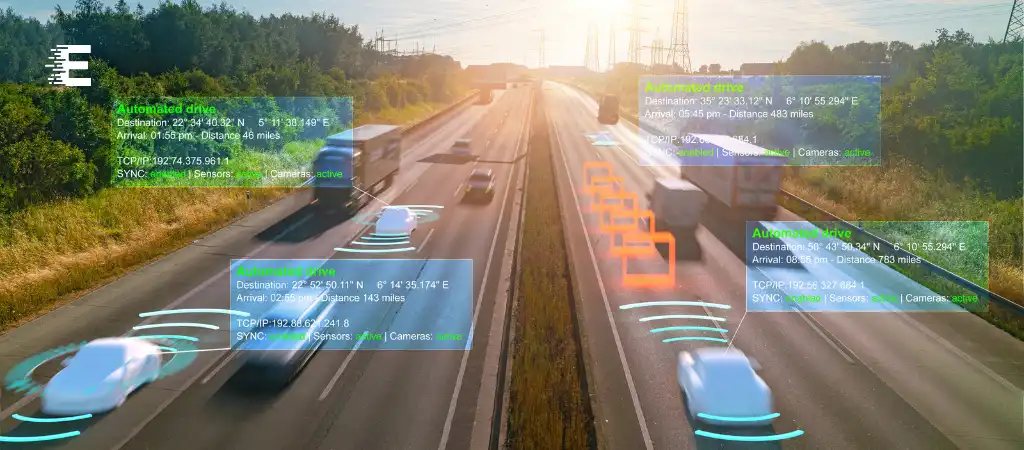
The advent of autonomous vehicles (AVs) is heralding a transformative era in transportation. However, a prevalent question persists: Are Autonomous Vehicles Only Electric? While it is true that the majority of high-profile AV projects are electric, the answer is more nuanced.
This comprehensive guide delves into the various facets of autonomous vehicle technology, examining the relationship between autonomy and electric propulsion, the current landscape, and future trends.
Autonomous Vehicles
Autonomous vehicles, also known as self-driving cars, are equipped with advanced systems that allow them to navigate and operate without human intervention. These systems use a combination of sensors, cameras, radar, and artificial intelligence (AI) to perceive their environment, make decisions, and control the vehicle.
Levels of Autonomy
Autonomous vehicles are classified into six levels by the Society of Automotive Engineers (SAE):
- Level 0: No Automation – Human drivers handle all tasks.
- Level 1: Driver Assistance – Basic systems like cruise control.
- Level 2: Partial Automation – Advanced driver assistance systems (ADAS) such as lane-keeping.
- Level 3: Conditional Automation – The vehicle can manage most tasks, but human intervention is required.
- Level 4: High Automation – The vehicle can operate without human input in certain conditions.
- Level 5: Full Automation – The vehicle can operate autonomously in all conditions.
The Electric Vehicle Connection
Electric vehicles (EVs) are powered entirely by electricity, using batteries instead of internal combustion engines (ICE). EVs are known for their environmental benefits, such as reduced greenhouse gas emissions and lower operating costs due to fewer moving parts.
The Rise of Electric AVs
Many autonomous vehicle developers have opted for electric powertrains for several reasons:
-
Environmental Benefits
Electric AVs contribute to sustainability goals by reducing emissions.
-
Technological Synergy
The integration of electric powertrains with autonomous systems is often more straightforward. EVs typically feature advanced electronic architectures that facilitate the addition of autonomous driving technologies.
-
Cost Efficiency
EVs have lower operating and maintenance costs, which is attractive for companies developing AVs.
-
Regulatory Push
Governments worldwide are incentivizing electric vehicles through subsidies and stricter emissions regulations, encouraging AV developers to adopt electric propulsion.
Non-Electric Autonomous Vehicles
Despite the strong association between AVs and electric propulsion, autonomous technology is not limited to electric vehicles. There are several instances of non-electric AVs that highlight the versatility of autonomous technology.
Hybrid Autonomous Vehicles
Hybrid vehicles, which combine internal combustion engines with electric propulsion, can also be autonomous. These vehicles offer a blend of the benefits of both electric and conventional propulsion systems.
-
Example
Toyota has been developing hybrid autonomous vehicles, leveraging its experience in hybrid technology to create efficient and versatile AVs.
Hydrogen Fuel Cell Autonomous Vehicles
Hydrogen fuel cell vehicles (FCVs) use hydrogen to generate electricity through a chemical reaction, producing only water vapor as a byproduct. FCVs offer the potential for long-range and quick refueling, making them an attractive option for autonomous applications.
-
Example
Toyota Mirai and Hyundai Nexo are examples of hydrogen fuel cell vehicles that could be adapted for autonomous driving.
Internal Combustion Engine Autonomous Vehicles
While less common, there are instances where autonomous technology is integrated into traditional internal combustion engine vehicles. These applications are often seen in specialized industries or regions where EV infrastructure is lacking.
-
Example
Autonomous trucks used in mining and agricultural sectors often rely on diesel engines due to the demanding nature of their operations and the availability of fuel.
Challenges and Considerations
Infrastructure and Energy Supply
The widespread adoption of electric autonomous vehicles hinges on the availability of charging infrastructure and a reliable energy supply. While urban areas are rapidly expanding their EV infrastructure, rural and remote regions may face challenges.
Range and Battery Technology
Battery technology remains a critical factor for electric AVs. Range anxiety and long charging times are significant concerns that need to be addressed to ensure the practicality of electric autonomous vehicles.
Environmental Impact
Although electric vehicles are touted for their environmental benefits, the production and disposal of batteries pose environmental challenges. Additionally, the source of electricity (renewable vs. fossil fuels) affects the overall sustainability of electric AVs.
Cost and Accessibility
The development of autonomous technology is capital-intensive, and electric vehicles generally have higher upfront costs compared to traditional ICE vehicles. Ensuring accessibility and affordability of autonomous technology remains a challenge.
Future Trends
Electrification and Autonomy Synergy
The trend towards electrification and autonomy is likely to continue, with advancements in both fields reinforcing each other. Improvements in battery technology, charging infrastructure, and autonomous systems will drive the adoption of electric AVs.
Expansion into New Markets
As technology evolves, autonomous vehicles will expand into new markets and applications, including public transportation, logistics, and specialized industries. This diversification will include both electric and non-electric autonomous vehicles.
Regulatory and Policy Support
Governments and regulatory bodies will play a crucial role in shaping the future of autonomous vehicles. Policies that support both electrification and autonomous technology will be essential in driving innovation and adoption.
You Might Be Interested In
- What Is The Difference Between a Coin and a Blockchain?
- How to Change Polling Rate on Mouse?
- How Exactly Does Quantum Computing Work?
- What Are The Main Types Of Augmented Reality?
- Best 5 Countries Leading The Global Data Centre Race
Conclusion
In conclusion, the question “Are Autonomous Vehicles Only Electric?” reveals a complex landscape where autonomous technology is not confined to electric propulsion alone. While the synergy between electric powertrains and autonomous systems is driving the development of electric AVs, there are significant instances of hybrid, hydrogen fuel cell, and even internal combustion engine autonomous vehicles.
The future of autonomous vehicles will be shaped by a combination of technological advancements, regulatory frameworks, and market demands, leading to a diverse array of autonomous solutions that extend beyond electric propulsion.
FAQs on “Are Autonomous Vehicles Only Electric?”
Are all autonomous vehicles electric?
No, not all autonomous vehicles are electric. While electric powertrains have gained significant attention in the development of autonomous vehicles, there are other types of propulsion systems used as well. For instance, hybrid autonomous vehicles combine internal combustion engines with electric motors, offering a balanced approach to power and efficiency.
Hydrogen fuel cell autonomous vehicles are another example, using hydrogen to generate electricity and offering benefits such as longer range and faster refueling times.
Additionally, certain specialized applications, like autonomous mining trucks or agricultural equipment, might still rely on diesel engines due to their robustness and the specific demands of their operating environments. The diversity in propulsion systems reflects the variety of use cases and technological approaches in the autonomous vehicle industry.
Why do most autonomous vehicles tend to be electric?
Most autonomous vehicles tend to be electric due to several compelling reasons. Firstly, electric vehicles (EVs) are environmentally friendly, producing zero tailpipe emissions, which helps in reducing greenhouse gases and combating climate change.
Secondly, EVs have fewer moving parts compared to internal combustion engine (ICE) vehicles, resulting in lower maintenance costs and higher reliability—an essential factor for autonomous systems that require high uptime. Moreover, electric powertrains integrate more seamlessly with the advanced electronic systems used in autonomous vehicles.
The electronic architecture of EVs supports the complex sensors, computing hardware, and software algorithms required for autonomous driving. Additionally, governments around the world are providing substantial incentives and subsidies to promote the adoption of EVs, which further encourages manufacturers to develop electric autonomous vehicles.
Regulatory pressures, such as stricter emissions standards, also play a significant role in steering the industry towards electrification.
Can hybrid vehicles be autonomous?
Yes, hybrid vehicles can be autonomous. Hybrid autonomous vehicles leverage the advantages of both internal combustion engines and electric motors, providing a flexible and efficient propulsion solution. These vehicles can operate on electric power for short trips or in urban environments to reduce emissions and fuel consumption, while the internal combustion engine can provide additional range and power when needed.
This dual capability makes hybrid autonomous vehicles suitable for a variety of applications, from city driving to long-distance travel. Companies like Toyota are actively developing hybrid autonomous vehicles, utilizing their extensive experience in hybrid technology.
These vehicles benefit from the existing infrastructure for both fuel and electricity, offering a practical solution in regions where electric vehicle charging stations may be sparse. Furthermore, hybrid systems can enhance the redundancy and reliability of autonomous vehicles, ensuring that they have multiple power sources to rely on, which is crucial for safety and operational continuity.
What are the challenges of using non-electric powertrains in autonomous vehicles?
Non-electric powertrains in autonomous vehicles face several significant challenges. Firstly, they generally produce higher emissions compared to electric vehicles, which is a major concern given the global push towards reducing greenhouse gases and achieving environmental sustainability.
Secondly, vehicles with internal combustion engines (ICEs) or hybrid systems have more complex mechanical components, leading to higher maintenance requirements and costs. This complexity can also complicate the integration of autonomous driving systems, which rely on precise control and coordination of the vehicle’s functions.
Moreover, non-electric autonomous vehicles may not benefit from the same level of governmental support and incentives that are often directed towards electric vehicles, making them less economically attractive. The development and regulatory environment increasingly favor electrification, which can limit investment and innovation in non-electric autonomous vehicle technologies.
Lastly, the perception and market demand for cleaner, more sustainable transportation solutions further challenge the adoption of non-electric autonomous vehicles, as consumers and businesses increasingly prefer greener alternatives.
What future trends can we expect in the development of autonomous vehicles?
Future trends in the development of autonomous vehicles are likely to be shaped by ongoing advancements in both electrification and autonomous technology. Significant improvements in battery technology are expected, leading to longer ranges, faster charging times, and lower costs for electric autonomous vehicles.
Enhanced charging infrastructure, including more widespread and faster charging stations, will support the growing adoption of electric AVs. Additionally, autonomous systems will become more sophisticated, with better sensors, more powerful computing hardware, and more advanced AI algorithms, enabling safer and more reliable autonomous driving.
We can also anticipate the expansion of autonomous vehicles into new markets and applications. Public transportation, logistics, and delivery services are prime candidates for autonomous solutions due to their high operational costs and need for efficiency.
Specialized industries, such as agriculture, mining, and construction, will continue to adopt autonomous vehicles tailored to their specific needs. This diversification will include a mix of electric and non-electric autonomous vehicles, driven by the unique requirements and constraints of different applications.
Regulatory and policy support will play a crucial role in this evolution. Governments are likely to implement policies that encourage the development and deployment of autonomous vehicles, including safety standards, testing protocols, and incentives for adoption. Collaboration between the public and private sectors will be essential in addressing challenges such as infrastructure development, cybersecurity, and public acceptance.
