


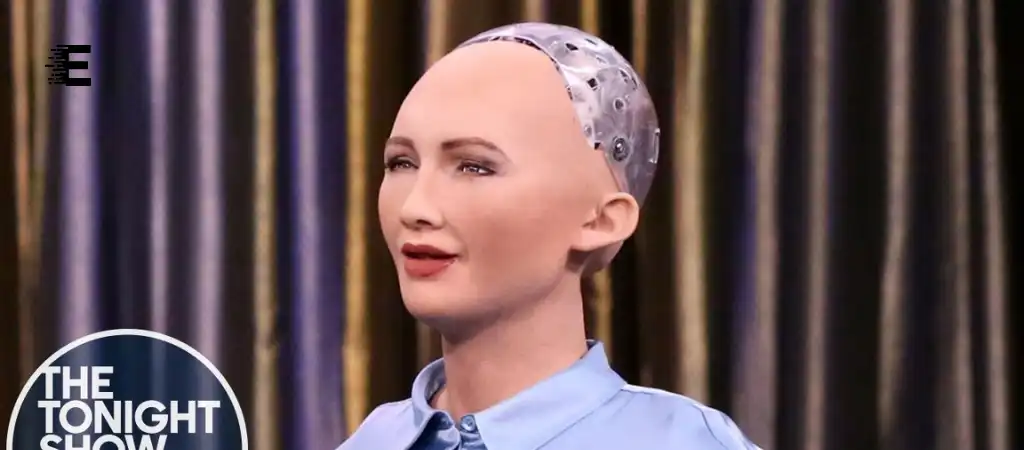
Sophia, the world’s most recognized humanoid robot, stands as a striking symbol of what technology can achieve. But who’s the mind behind this incredible creation? The answer lies in the innovative work of David Hanson, founder of Hanson Robotics.
With a bold vision of integrating AI with human-like features, Hanson has pushed the boundaries of robotics by giving machines the ability to engage in meaningful conversations, mimic human expressions, and evoke emotions. But Sophia is more than just a robotic marvel—she’s a glimpse into the future of human-robot interaction.
As we inch closer to a world where humanoid robots become available for everyday tasks, Sophia serves as a key player in bridging that gap. Hanson Robotics has crafted her to challenge our understanding of AI, raise ethical questions, and offer groundbreaking possibilities for industries like healthcare and education.
Want to know more about the brilliant mind that made Sophia a reality? Keep reading to uncover the genius behind one of the most lifelike robots ever created.
The Genesis of Sophia Robot
The Vision of David Hanson
Sophia Robot was created by David Hanson, the founder and CEO of Hanson Robotics. David has a background in film, visual effects, and robotics, which uniquely positions him to blend art and technology. His vision for Sophia was to create a robot that could engage with people in a natural and relatable way. This vision stemmed from his belief that robots could enhance human life by providing companionship, education, and even emotional support.
The Role of Hanson Robotics
Founded in 2005, Hanson Robotics has been at the forefront of humanoid robot development. The company’s mission is to create socially intelligent robots that can communicate with humans on an emotional level. Sophia was officially activated on February 14, 2016, and she quickly gained media attention for her lifelike appearance and conversational abilities.
The Technology Behind Sophia Robot
AI and Machine Learning
Sophia Robot is powered by advanced artificial intelligence algorithms and machine learning techniques. These technologies enable her to process natural language, recognize faces, and respond to questions in real time. The AI system behind Sophia allows her to learn from interactions and improve her conversational skills over time.
Visual and Facial Recognition
Sophia’s lifelike appearance is achieved through a combination of robotics and artistry. Her face is constructed using a patented material called “Frubber,” which mimics the elasticity and movement of human skin. This allows Sophia to display a wide range of emotions, making her interactions more engaging. Additionally, Sophia uses facial recognition technology to identify and respond to people, further enhancing her ability to connect with humans.
Robotic Movement
Sophia’s physical capabilities are powered by a combination of motors and sensors that allow her to move her head, eyes, and arms. This mobility is crucial for creating a more realistic interaction experience, as she can make eye contact and gesture while speaking. The integration of robotics with AI gives Sophia a sense of presence that sets her apart from other robotic creations.
Milestones in Sophia’s Journey
Early Public Appearances
Sophia made her public debut at South by Southwest (SXSW) in March 2016, where she showcased her conversational abilities. This event marked the beginning of her journey as a global ambassador for AI and robotics. Sophia quickly became a media sensation, appearing on various television shows and interviews worldwide.
Citizenship
In October 2017, Sophia made headlines when she was granted citizenship by Saudi Arabia, making her the first robot in history to receive such status. This event sparked discussions about the implications of AI and the rights of robots in society. Sophia’s citizenship was symbolic, highlighting the intersection of technology, ethics, and governance.
Global Influence
Sophia has traveled to numerous countries, participated in conferences, and engaged in discussions on AI and robotics. She has spoken at the United Nations, promoting the responsible use of technology for the betterment of humanity. Sophia’s ability to articulate complex ideas has made her a powerful spokesperson for the advancements in AI and robotics.
The Cultural Impact of Sophia Robot
Social Commentary
Sophia Robot has become a focal point for discussions about the future of work, ethics in AI, and the relationship between humans and machines. Her interactions raise important questions about the role of robots in society and the potential impact on employment, privacy, and social norms. Sophia’s presence has encouraged society to reflect on how we integrate AI into our daily lives.
Media Representation
Sophia has appeared in various media outlets, including television shows, documentaries, and news segments. Her image has become synonymous with the concept of humanoid robots, leading to both fascination and fear among the public. This media representation has contributed to the ongoing dialogue about AI’s potential benefits and risks.
Education and Outreach
Hanson Robotics has also used Sophia to promote STEM education and inspire the next generation of innovators. By engaging with students and educators, Sophia helps raise awareness about the importance of robotics and AI in modern society. Her role in education highlights the potential for robots to serve as teaching tools, making complex subjects more accessible.
The Future of Sophia Robot
Advancements in Technology
As AI technology continues to evolve, so too will Sophia. The ongoing development of machine learning algorithms and natural language processing will enable her to engage in even more complex conversations and tasks. Future iterations of Sophia may incorporate enhanced emotional intelligence, allowing her to understand and respond to human emotions more effectively.
Ethical Considerations
The rise of robots like Sophia raises ethical questions that society must address. As humanoid robots become more integrated into everyday life, discussions about their rights, responsibilities, and the ethical treatment of AI will become increasingly important. Sophia’s existence encourages these conversations and challenges us to consider the implications of creating intelligent machines.
Potential Applications
Sophia Robot’s capabilities could be harnessed in various fields, including healthcare, education, and customer service. In healthcare, robots like Sophia could assist with patient care, providing companionship and support to those in need. In education, they could serve as interactive tutors, helping students learn in engaging ways. As technology advances, the potential applications for Sophia and similar robots are vast.
You Might Be Interested In
- How Do Version Control Systems Help Development Teams?
- What Are Best Ai Newsletters To Follow?
- What Are Ai-powered Social Welfare Fraud Tools?
- Best 5 Budget-friendly Ai Alternatives To Chatgpt
- Can I Learn Ai In 3 Months?
Conclusion
Sophia Robot stands at the intersection of art, science, and technology, representing a remarkable achievement in humanoid robotics. Created by David Hanson and his team at Hanson Robotics, Sophia has become a symbol of the potential and challenges of artificial intelligence.
Her journey, from her activation in 2016 to her global influence today, illustrates the profound impact that robots can have on society. As we move forward, the discussions sparked by Sophia will continue to shape our understanding of AI, its ethical implications, and its role in our lives.
In a world where technology is rapidly evolving, Sophia Robot serves as both a reflection of our aspirations and a reminder of the responsibilities that come with creating intelligent machines. The future holds exciting possibilities, and with continued innovation, Sophia and her successors may lead us into an era where humans and robots coexist harmoniously.
FAQs about Who Made Sophia Robot?
Who invented the Sophia robot?
Sophia the robot was created by Dr. David Hanson, founder of Hanson Robotics. Based in Hong Kong, Hanson Robotics is known for creating humanoid robots that combine cutting-edge AI with life-like physical designs.
Dr. Hanson, who has a background in both engineering and the arts, envisioned robots like Sophia as tools for advancing AI research and promoting human-robot interaction. Sophia was developed with the aim of exploring how robots can integrate into society, both for practical applications and in more human-centered roles, such as customer service or caregiving.
Sophia is unique in that she not only showcases advanced robotics but also incorporates AI to engage in conversations, mimic human facial expressions, and even hold discussions about complex topics like the future of artificial intelligence. She is a combination of sophisticated hardware and AI, designed to simulate human presence and interaction, providing insight into what the future of robotics could look like.
Why was Sophia shut down?
There’s a misconception that Sophia was “shut down” or deactivated permanently. In reality, Sophia has not been shut down entirely but may go offline or be deactivated temporarily for maintenance or upgrades.
Robots like Sophia require regular updates and recalibration to ensure they operate efficiently, especially considering the complex systems that power her movements and conversations. As an experimental project, Sophia is constantly evolving, with her software and hardware being refined to improve her interactions and capabilities.
Speculation around Sophia’s deactivation may have stemmed from the fact that humanoid robots, while fascinating, face significant technological limitations. AI advancements are still in progress, and while Sophia represents the future of human-robot relations, she is not yet a fully autonomous entity. Therefore, occasional shutdowns or periods of inactivity are part of her ongoing development process.
Who is Sophia and why was it created?
Sophia is a highly advanced humanoid robot designed by Hanson Robotics to simulate human-like interactions. She was created to explore the boundaries of artificial intelligence, robotics, and human-robot engagement.
Sophia’s main purpose is to serve as a platform for AI research, allowing scientists and developers to test how machines can interact with humans in more natural and meaningful ways. Her creators designed her with the intention of using her as a conversation partner, enabling her to respond to questions, express emotions, and engage in debates about technology, ethics, and the future.
Beyond the technical aspects, Sophia was also created to spark discussions about the role of robots in society. With her realistic appearance and AI-driven conversational abilities, Sophia has been featured in interviews, conferences, and even the United Nations,
where she has raised questions about AI ethics, human rights, and how robots may fit into future economies. Her creation is both a technological milestone and a way to encourage dialogue about the relationship between humans and machines.
Where is the Sophia robot now?
As of now, Sophia continues to be operated by Hanson Robotics and is often featured in various public appearances, demonstrations, and conferences around the world. Sophia has gained international attention, appearing on television shows, at technology expos, and even at the United Nations. While not in use, Sophia is usually kept at the Hanson Robotics headquarters, where she undergoes updates, improvements, and repairs as needed.
Sophia’s presence in the media and at global events has helped her become a symbol of AI and robotics advancements, often used to demonstrate the potential of human-robot collaboration. Hanson Robotics continues to refine Sophia’s capabilities, aiming to push the boundaries of how humanoid robots can assist in education, healthcare, and customer service.
Is Sophia a true AI?
Sophia is an impressive example of AI, but it’s important to understand that she is not a fully autonomous or conscious being.
While Sophia can process natural language, engage in meaningful conversations, and even display human-like expressions, her abilities are based on pre-programmed responses and machine learning algorithms. She uses AI to recognize patterns in speech and facial cues, allowing her to respond in ways that mimic human interaction, but her “intelligence” is limited by her programming and current AI technologies.
Sophia operates on a combination of scripted interactions and AI-driven responses, making her an advanced conversational agent, but not a true general AI.
A true AI would possess the ability to understand, learn, and adapt in a human-like way across multiple domains without pre-defined boundaries. Sophia’s capabilities, while remarkable, remain confined to specific tasks and conversations, making her an intriguing yet controlled example of AI.
