


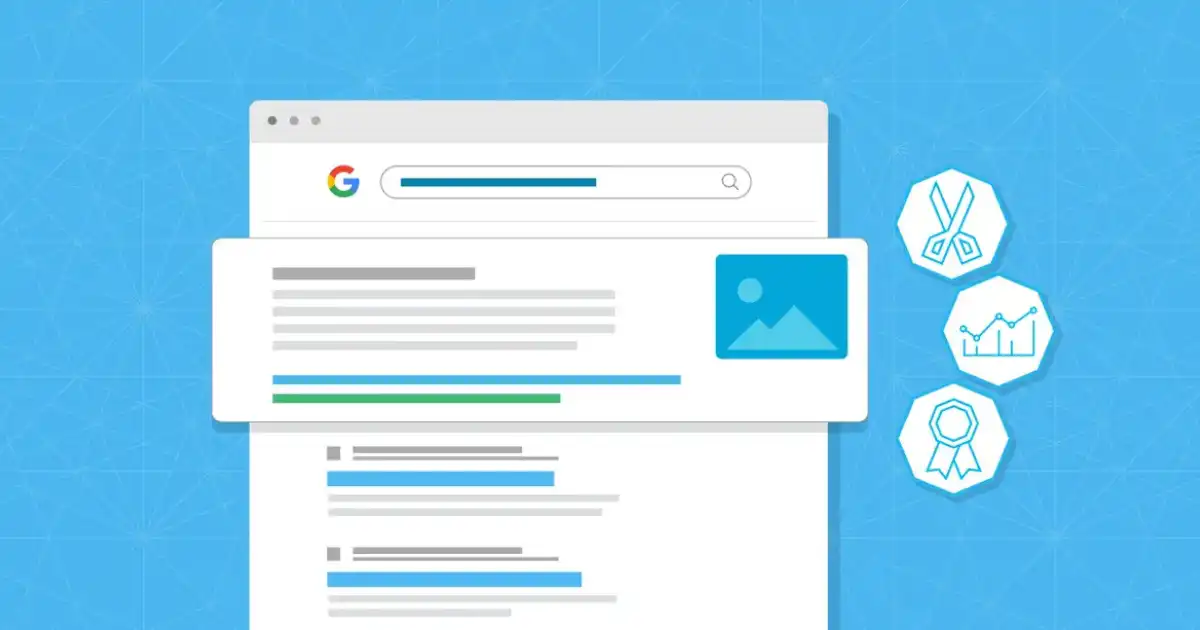
Imagine your brand being the very first thing users see when they type a question into Google. Not just on the first page — but above every organic result, right at the top. That coveted “position zero” is called a featured snippet, and it’s one of the most valuable spots in all of SEO. But what if you could systematically win these snippets — not by guessing or rewriting content endlessly, but through the precision and intelligence of AI?
Search engines today are more dynamic and conversational than ever. They reward clarity, structure, and user-focused value — all things that artificial intelligence can help you perfect. From analyzing competitors’ snippets to crafting exact paragraph structures that trigger Google’s algorithms, AI is transforming how digital marketers approach SEO.
Winning snippets with AI doesn’t just mean higher visibility; it means authority, trust, and exponential traffic growth. You’re no longer fighting for clicks at the bottom of the results page — you’re delivering the answer before users even scroll. AI tools can read, learn, and optimize content faster than any human, helping your pages outshine competitors every time.
This guide will show you, step-by-step, how to win featured snippets with AI, from understanding what snippets really are to creating data-driven, AI-optimized content that search engines love. You’ll learn which tools to use, what formats win most often, and how to make your content snippet-ready in 2025.
What Are Featured Snippets?
Featured snippets are concise, AI-curated answers displayed at the top of Google’s search results. They aim to answer the searcher’s query directly — often through short paragraphs, lists, or tables. Essentially, Google scans the web for the most relevant, well-structured content and places it in this prime spot.
The common types include:
-
Paragraph snippets
Short, direct answers to “what,” “why,” or “how” questions.
-
List snippets
Step-by-step guides or ranked lists.
-
Table snippets
Comparative or statistical data.
-
Video snippets
Clips that demonstrate processes visually.
Winning snippets with AI means teaching your content to communicate in the same structured, context-aware way that search algorithms prefer.
Why Featured Snippets Matter in 2025
With voice search and mobile-first indexing on the rise, featured snippets are becoming the default answers for millions of users. In 2025, over 60% of Google queries return a snippet result, and users rarely scroll past it. This makes it the most visible digital real estate for any business.
Here’s why they’re vital:
-
Higher CTR (Click-Through Rate)
Snippets get up to 35% more clicks than regular results.
-
Authority Boost
Your content becomes the “trusted answer.”
-
Voice Search Compatibility
Most voice assistants pull their answers from featured snippets.
-
Competitive Advantage
Beating the snippet owner often means outranking major brands.
AI empowers marketers to predict, test, and adapt their content to these opportunities with surgical precision.
The Role of AI in Modern SEO
Traditional SEO relied on keyword stuffing, backlinks, and guesswork. But today’s SEO landscape is data-driven and context-focused. Artificial intelligence now plays a key role in analyzing search intent, structuring answers, and optimizing readability.
AI-driven SEO tools analyze:
-
User behavior patterns
-
Question intent (informational, navigational, transactional)
-
Competitor snippets
-
Content formatting and semantic relevance
By combining these insights, you can win snippets with AI by aligning your content perfectly with what Google wants to display.
Types of Featured Snippets You Can Target
1. Paragraph Snippets
Best for “what is,” “why,” and “how” queries. Example:
“A featured snippet is a short excerpt of text displayed at the top of Google search results to answer a user’s question quickly.”
AI Strategy: Use AI writing tools to generate clear, one-sentence definitions or explanations. Tools like ChatGPT or Jasper can rewrite complex answers in a snippet-friendly format.
2. List Snippets
Ideal for step-by-step processes like “how to bake a cake” or “ways to reduce stress.”
AI Strategy: Use AI to structure bullet points or numbered steps. Include key verbs (create, build, install) and keep lists between 5–10 items.
3. Table Snippets
Used for data comparisons, prices, or product specs.
AI Strategy: Train AI models to generate structured tables using schema markup. Use data enrichment tools like Surfer SEO or Frase to automate format alignment.
4. Video Snippets
Google increasingly features videos for tutorials or reviews.
AI Strategy: Use AI transcription and tagging tools to optimize video descriptions and captions for snippet visibility.
How Google Chooses Snippet Content
Google’s AI (BERT, MUM, and Gemini) focuses on semantic understanding — not just keywords, but context and intent. It selects snippet content based on:
-
Clarity of language
-
Proper question-answer formatting
-
Strong on-page structure (H2s, H3s, bullet lists)
-
Content authority and accuracy
-
Schema markup and metadata
Winning snippets with AI involves mastering these ranking factors algorithmically. AI tools help identify the optimal answer length, tone, and structure that match snippet criteria.
How to Win Featured Snippets with AI — Step-by-Step
Step 1: Identify Snippet Opportunities with AI
Use tools like SEMrush, Ahrefs, or Surfer SEO to find keywords already triggering snippets. Then, use AI-powered analysis (such as Clearscope or MarketMuse) to identify content gaps.
Focus on:
-
Questions starting with “what,” “why,” “how,” “where,” and “can.”
-
Keywords with high snippet frequency.
-
Competitor snippets that can be outperformed with better structure.
AI models can score your likelihood of winning a snippet based on semantic richness and keyword positioning.
Step 2: Structure Your Content for Snippet Optimization
Search engines love structure. Organize content with:
-
Question-based headings (H2/H3)
-
Short, direct answers (40–60 words) below each heading
-
Bulleted or numbered lists for instructions
AI tools can automatically recommend heading hierarchies and check whether your content follows Google’s snippet patterns.
Example structure:
What is On-Page SEO?
On-page SEO is the process of optimizing web pages to improve search visibility and user experience.
This concise, structured answer format makes you a top candidate for snippets with AI.
Step 3: Use NLP to Enhance Semantic Relevance
Natural Language Processing (NLP) allows AI to understand how humans phrase questions and answers. Tools like OpenAI’s GPT, Google’s Natural Language API, and Surfer NLP analyze the sentiment, context, and entities in your text.
With NLP, you can:
-
Match the searcher’s intent more precisely.
-
Include related entities (e.g., “AI SEO tools,” “semantic keywords”).
-
Improve sentence simplicity for snippet readability.
This ensures your content speaks the same “language” as Google’s AI.
Step 4: Leverage Predictive AI Models
Predictive AI can forecast which queries are most likely to generate new snippets. By analyzing trends and SERP volatility, tools like SEOClarity or CanIRank can identify emerging snippet opportunities before competitors.
You can use these insights to:
-
Create pre-optimized content around trending questions.
-
Update older posts before snippets shift.
-
Secure early positioning in new keyword territories.
Predictive modeling is your secret weapon to winning snippets with AI consistently.
Step 5: Refine Content Readability
Google prioritizes readable, scannable content. AI readability tools like Grammarly, Hemingway Editor, or Writer.com can automatically grade your text and simplify complex phrases.
Keep sentences under 20 words, use transition words (however, therefore, additionally), and maintain a 12th-grade readability level.
Readable content = higher snippet eligibility.
Step 6: Enhance On-Page SEO with AI Automation
Modern AI systems automate technical SEO checks for:
-
Metadata alignment
-
Schema markup
-
Content hierarchy validation
-
Entity coverage and keyword density
Automation ensures every piece of your page aligns with Google’s snippet extraction process. Consistency and technical precision make a major difference when you aim to win snippets with AI.
Step 7: Measure and Iterate Using AI Analytics
After publishing, monitor performance using Google Search Console and AI-driven analytics tools. Platforms like ChatGPT plugins, Frase AI, or MarketMuse Insights can track which parts of your content are being pulled into snippets.
Analyze:
-
CTR changes
-
Query impressions
-
Dwell time
Then, use generative AI to rephrase or restructure underperforming sections for better snippet alignment.
The Best AI Tools for Snippet Optimization
| Tool | Primary Function | Best Use Case |
|---|---|---|
| Surfer SEO | On-page optimization | NLP keyword alignment |
| Frase.io | AI content research | Competitor snippet analysis |
| MarketMuse | Semantic SEO insights | Entity optimization |
| ChatGPT / GPT-5 | Content generation | Creating snippet-ready responses |
| Clearscope | Keyword clustering | Topic authority improvement |
| SEOClarity | Predictive analytics | Identifying snippet trends |
Using these tools in combination creates a full-stack system for winning snippets with AI at scale.
Common Mistakes to Avoid When Using AI
-
Over-Optimization
Too many keywords or repetitive phrasing can hurt readability.
-
Ignoring Search Intent
AI should enhance user intent understanding, not just density.
-
Lack of Human Touch
Always refine AI output for emotional and contextual clarity.
-
Static Content
Snippets evolve. Refresh content regularly with updated AI insights.
-
Neglecting Visuals
Include images, infographics, or tables for better snippet extraction.
Advanced AI Strategies for Ongoing Snippet Domination
1. Content Gap Modeling
Use AI to find missing information between your page and the top snippet result. By filling gaps in data or clarity, your page becomes a better candidate for snippets with AI.
2. Multimodal Optimization
Integrate text, video, and visual data. AI can analyze YouTube transcripts or images for snippet inclusion, especially in voice and visual search.
3. Entity Enrichment
Add structured data entities using AI-powered schema generators. Google prefers snippet answers linked to recognized entities.
4. Continuous AI Feedback Loop
Train AI models based on performance analytics. The more feedback loops you run, the smarter your snippet strategy becomes.
The Future of AI and Search Snippets
As Google transitions toward AI-overview search models, featured snippets will evolve into AI-generated summaries combining multiple sources. To stay competitive, marketers must focus on content that is:
-
Factually verifiable
-
Well-structured semantically
-
Authored with expertise and trust
AI will soon not only help create snippet-worthy content but also simulate how Google itself evaluates it.
Winning snippets with AI is becoming less about manipulation and more about alignment with human and machine understanding — clear, factual, empathetic communication that provides genuine value.
You Might Be Interested In
- Best Ai Newsletters To Follow (2026)
- What Is Machine Learning Overfitting Example?
- How To Get Rid Of My Ai On Snapchat?
- What Is Ai Chip Architecture?
- What Are Ai Tools That Write Policies?
- Best 5 Strategies For Surviving The Ai Chip Shortage
- What Are Best Ai Newsletters To Follow?
- What Is The Mobile App Development Process?
- What Are Ai Compute Clusters Used For?
- What Is Network Access Control In Cybersecurity?
Conclusion
Mastering how to win featured snippets with AI is no longer optional — it’s the foundation of visibility in modern search. AI enables you to decode user intent, structure perfect responses, predict snippet opportunities, and measure real-time success.
By combining human creativity with machine precision, you can dominate “position zero” — not just once, but continuously. The secret lies in staying proactive: analyzing trends, optimizing readability, and leveraging AI tools to think the way search engines do.
In a world where algorithms evolve daily, AI isn’t replacing SEO experts — it’s amplifying them. If you harness its full potential today, you’re not just competing for clicks; you’re defining the future of organic visibility.
