


When people talk about website success, they often focus on design, content, marketing, or user experience. Those things matter, but the foundation underneath everything is the hosting environment running the website. A slow or unstable hosting setup can affect page loading speed, customer experience, sales, and even how search engines evaluate a website.
In my experience, many website owners only think about hosting after they start facing problems. Pages become slow during busy periods, online stores struggle during promotions, or websites become unreliable as traffic grows. These issues often happen because the hosting environment no longer has enough resources to support the website’s needs.
Many websites begin with shared hosting because it is affordable and simple. However, as the website grows, sharing server resources with many other websites can become a limitation. This is where virtual server hosting becomes a practical next step.
Virtual server hosting provides a more controlled environment with dedicated resources, better flexibility, and more management options without the high cost of a dedicated server. In this article, we will look at what virtual server hosting actually is, how it works behind the scenes, and how it helps websites perform better in real-world situations.
What Is Virtual Server Hosting?
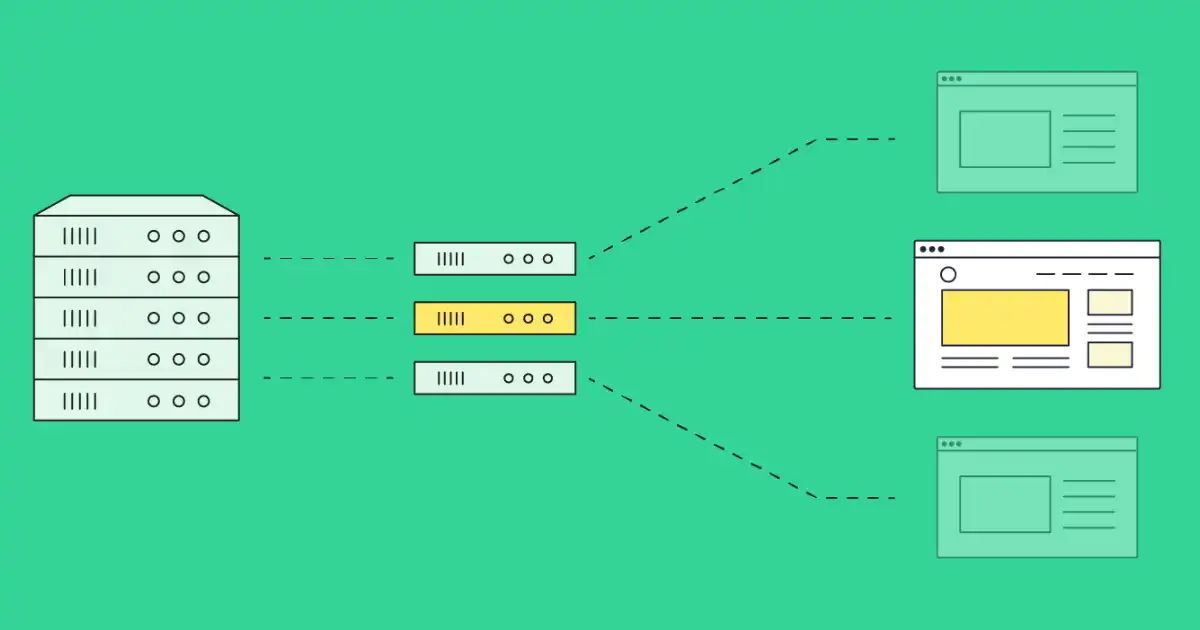
Virtual server hosting is a hosting method where one physical server is divided into multiple independent virtual servers using virtualization technology. Each virtual server behaves like a separate machine with its own operating system, allocated resources, and configuration settings.
A simple way to understand it is to imagine a large office building. The entire building represents a physical server, while individual offices represent virtual servers. Each office shares the same building infrastructure, such as electricity and security systems, but each business has its own private workspace.
The same idea applies to server virtualization. A powerful physical server in a data center can be divided into several virtual environments. Each virtual server can run websites, applications, databases, and other services independently.
Many people use the terms virtual server hosting and VPS hosting interchangeably. VPS stands for Virtual Private Server, and it is one of the most common forms of virtual server hosting. A virtual private server gives website owners access to a private portion of a physical server while still benefiting from shared hardware efficiency.
The key difference between traditional shared hosting and virtual server hosting is the level of control and resource separation.
With shared hosting:
- Multiple websites use the same server resources.
- Resource usage by one website can affect others.
- Configuration options are usually limited.
With virtual server hosting:
- Each virtual server operates in an isolated environment.
- Resources such as CPU and RAM are assigned more predictably.
- Users have more control over software and server settings.
This does not mean a virtual server is physically separate hardware. The physical machine is still shared, but the virtualization layer creates separate environments that behave like independent servers.
How Virtualization Works Behind the Scenes
To understand how virtual server hosting supports websites, it helps to understand the technology behind it: server virtualization.
Physical Server and Virtual Server Relationship
A physical server is a powerful computer located inside a data center.
It contains hardware components such as:
- Processing power
- Memory
- Storage drives
- Network connections
Traditionally, one physical server would run one operating system and host applications directly. However, modern servers are powerful enough to run multiple isolated environments at the same time.
This is where virtualization comes in.
Using server virtualization, a single physical machine can be divided into multiple virtual machines. Each virtual machine acts like a separate computer with its own operating system and software environment.
For example, a physical server with:
- 64 CPU cores
- 256 GB RAM
- Multiple terabytes of storage
could be divided into several virtual servers. One virtual server might host an online store, another might run a business website, and another might support a development environment.
Each user sees their own server environment rather than the entire physical machine.
The Role of a Virtual Machine
A virtual machine is a software-based computer that runs inside a physical server. It has virtual versions of hardware resources assigned to it.
A virtual machine includes:
- Its own operating system
- Allocated CPU resources
- Assigned memory
- Storage space
- Network configuration
From a website owner’s perspective, managing a virtual machine feels similar to managing a physical server.
For example, a developer running an e-commerce website may install a specific database system, configure server software, or adjust security settings inside their virtual machine without affecting other virtual servers on the same physical hardware.
This flexibility is one reason many businesses move from shared hosting to VPS hosting as their websites become more complex.
The Importance of the Hypervisor
The technology responsible for creating and managing virtual machines is called a hypervisor.
The hypervisor sits between the physical server hardware and the virtual servers. Its job is to distribute resources, manage virtual machines, and maintain separation between different environments.
Think of the hypervisor as a building manager. The manager does not own the offices but controls how space and resources are assigned so each tenant can operate independently.
The hypervisor manages tasks such as:
- Assigning CPU processing power
- Allocating RAM
- Managing storage access
- Controlling network communication
- Maintaining isolation between virtual servers
Without a hypervisor, multiple virtual servers could not safely operate on the same physical machine.
A well-configured hypervisor prevents one virtual server from consuming all available resources and negatively affecting others. This isolation is one of the biggest improvements compared with traditional shared hosting.
How Does Virtual Server Hosting Work?
Virtual server hosting works through a combination of physical hardware, virtualization software, and resource management. The process involves several important steps.
A Physical Server Is Divided Into Multiple Virtual Servers
The process begins with a powerful physical server located in a hosting provider’s data center.
The hosting provider installs virtualization software that allows the server to create multiple virtual environments. Each virtual server receives its own allocated resources and operates independently.
For example, a hosting provider may take one physical server and create:
- Virtual Server A for an online business
- Virtual Server B for a software application
- Virtual Server C for a development project
Although all three exist on the same physical machine, they function as separate hosting environments.
This separation matters because websites have different requirements. A small business website may need fewer resources, while an online store processing hundreds of orders may require significantly more CPU, memory, and database capacity.
Resources Are Allocated to Each Virtual Server
One of the biggest advantages of virtual server hosting is predictable resource allocation.
The main resources include:
CPU
The CPU handles instructions and processing tasks. Websites with complex operations, databases, customer accounts, or real-time features require more processing power.
In shared hosting, multiple websites compete for the same processor resources. If one website experiences a sudden traffic increase or runs inefficient scripts, other websites may slow down.
With virtual server hosting, CPU resources are assigned to each virtual environment. This reduces unexpected performance problems.
RAM
RAM allows the server to quickly access data that websites and applications need while running.
A website with many plugins, large databases, or dynamic content requires more memory. Insufficient RAM can cause slow response times because the server struggles to handle active processes.
Virtual server hosting allows website owners to choose a RAM allocation based on their actual requirements.
For example:
- A basic company website may run comfortably with limited memory.
- An online store with product databases and customer accounts may require significantly more RAM.
Storage
Storage holds website files, databases, images, applications, and backups.
Modern virtual server hosting plans often use faster storage technologies such as SSD or NVMe storage. Faster storage improves how quickly websites retrieve files and process requests.
This directly affects website performance, especially for websites with large databases or frequently accessed content.
Bandwidth
Bandwidth determines how much data can move between the server and website visitors.
A website receiving thousands of visitors, serving large images, or delivering downloads requires more bandwidth capacity.
Limited bandwidth can create slow loading times or accessibility issues during traffic spikes.
Virtual server hosting provides more predictable bandwidth allocation compared with many shared hosting environments.
How Does Virtual Server Hosting Support Websites?
Virtual server hosting becomes valuable when a website needs more than basic shared hosting can provide. The main advantage is not simply that it is “faster” or “better.” The real benefit comes from having a more controlled hosting environment where resources, security settings, and server configurations can be managed according to the website’s actual needs.
In real-world situations, websites usually move to virtual server hosting because they have reached a point where limitations are affecting performance, reliability, or growth. A growing business website, online store, or web application often needs more consistency than shared hosting can provide.
Here are the main ways virtual server hosting supports websites.
Improves Website Performance
Website performance depends heavily on how quickly a server can process requests. Every time someone visits a website, the server has to handle tasks such as loading files, running scripts, accessing databases, and delivering content to the visitor.
On shared hosting, many websites share the same server resources. This means one website using excessive CPU, memory, or database resources can affect other websites on the same server.
For example, imagine a shared hosting server with hundreds of websites. One website owner launches a marketing campaign, receives a sudden traffic increase, and starts consuming a large amount of server resources. Other websites hosted on that same machine may experience slower loading times even though their own traffic has not changed.
This is one of the most common reasons businesses upgrade from shared hosting.
Virtual server hosting reduces this problem by providing dedicated resources within the virtual environment. The website receives an assigned amount of CPU, RAM, and storage that is not constantly competing with hundreds of unrelated websites.
The result is more predictable website performance.
Websites that often benefit from this include:
- Online stores handling customer orders
- Business websites generating leads
- Blogs with increasing traffic
- Websites using content management systems with many plugins
- Applications requiring database processing
A faster hosting environment does not automatically fix every performance issue. Poorly written code, large images, or inefficient plugins can still slow a website. However, having reliable server resources gives the website a stronger foundation.
Handles Website Growth and Traffic Spikes
Many websites do not start with heavy traffic. A small business website may receive only a few hundred visitors each month initially. Over time, traffic increases because of marketing, search visibility, brand growth, or new products.
The problem is that hosting requirements usually grow with the website.
A website that works perfectly on shared hosting today may struggle six months later when:
- A marketing campaign brings thousands of visitors
- A product launch creates sudden demand
- Seasonal sales increase customer activity
- A blog post becomes widely shared
Virtual server hosting helps businesses handle this growth more effectively because resources can often be increased without completely changing the hosting environment.
You Might Be Interested In
- What Are Ai Face Swap Technical Requirements?
- How Does Ai Medical Imaging Analysis Improve Accuracy?
- What Is Ai Storage Architecture?
- Best 5 Chinese Ai Startups Challenging Silicon Valley
- What Causes Machine Learning Underfitting?
Conclusion
Virtual server hosting provides a middle ground between basic shared hosting and expensive dedicated servers. It gives websites more reliable resources, better control, stronger isolation, and greater flexibility without requiring an entire physical machine.
The biggest advantage is not simply speed. It is having a hosting environment designed around predictable performance and future growth. Websites can handle increasing traffic, support more advanced features, and maintain better reliability when they have the resources they actually need.
However, virtual server hosting is not automatically the right choice for every website. Small websites with minimal requirements may continue to work well with shared hosting, while complex applications may require even more advanced infrastructure.
The practical approach is to choose hosting based on your website’s current needs, expected growth, technical capabilities, and business importance.
FAQs
What is virtual server hosting?
Virtual server hosting is a hosting solution where a single physical server is divided into multiple independent virtual environments using server virtualization technology. Each virtual environment works like a separate server and has its own operating system, allocated CPU, RAM, storage, and configuration settings. Although multiple virtual servers run on the same physical hardware, they remain isolated from each other through a virtualization layer managed by a hypervisor.
In practical terms, virtual server hosting gives website owners many of the benefits of having their own server without the cost of renting an entire dedicated machine. It provides more control, better resource management, and improved reliability compared with shared hosting. Businesses, developers, online stores, and growing websites often choose this type of hosting when their website requires more power and flexibility than a basic hosting plan can provide.
The technology behind virtual server hosting allows hosting providers to efficiently use powerful physical servers while giving customers separate hosting environments. This makes it possible to customize server settings, install required applications, and manage website resources more effectively. VPS hosting is one of the most common forms of virtual server hosting and is widely used for websites that need a more controlled hosting environment.
How does virtual server hosting support websites?
Virtual server hosting supports websites by providing a more stable and predictable environment for running website files, databases, applications, and other services. Unlike shared hosting, where many websites compete for the same server resources, a virtual server receives allocated resources that are reserved for its own use. This reduces performance problems caused by other websites consuming excessive CPU, memory, or bandwidth.
For example, an online store may experience sudden traffic increases during a promotional campaign. On shared hosting, this could result in slower page loading or service interruptions because the server is handling too many requests. With virtual server hosting, the website has dedicated resources available within its virtual environment, allowing it to handle higher demand more efficiently.
Virtual server hosting also supports websites by providing greater control over the hosting environment. Website owners and developers can configure software, improve server security, install custom applications, and optimize performance settings according to their requirements. This flexibility makes it suitable for businesses that need more than simple website hosting but do not require the full cost and complexity of a dedicated server.
Is virtual server hosting better than shared hosting?
Virtual server hosting is generally a better option than shared hosting for websites that need improved performance, greater control, and more reliable resources. Shared hosting is designed for simplicity and affordability, making it suitable for small websites, personal blogs, and businesses with basic online requirements. However, because multiple websites share the same physical server resources, performance can sometimes be affected by the activity of other users.
With virtual server hosting, each website operates inside its own isolated virtual environment with allocated resources. This means website owners have better control over CPU usage, memory availability, security settings, and software configurations. A website is less likely to experience slowdowns caused by another website using excessive server resources.
However, virtual server hosting is not automatically the right choice for every website. If a website receives very little traffic and only requires basic features, shared hosting may still be a practical and cost-effective solution. The decision depends on factors such as website traffic, application requirements, growth expectations, and the importance of consistent website performance.
Can virtual server hosting handle high-traffic websites?
Virtual server hosting can handle many high-traffic websites, especially when the server is properly configured and the website is optimized. The main advantage is that the website receives dedicated resources within its virtual environment, allowing it to process more visitors and requests compared with many shared hosting environments.
For example, a growing e-commerce website may experience large traffic increases during seasonal sales, product launches, or marketing campaigns. A properly sized virtual server can provide additional CPU power, memory, and bandwidth to support these periods of increased activity. Businesses can also upgrade resources as their website grows, making virtual server hosting a flexible option for long-term expansion.
However, high traffic alone is not solved by increasing server resources. Website performance also depends on factors such as database optimization, website code quality, caching systems, content delivery networks, and server configuration. A poorly optimized website may still experience problems even with a powerful virtual server. Virtual server hosting provides the necessary foundation, but proper management and optimization are still required for consistent performance.
Is virtual server hosting suitable for small businesses?
Virtual server hosting can be suitable for small businesses, especially those that rely on their website for generating customers, processing sales, or supporting daily operations. A simple business website with a few pages and limited visitors may not need a virtual server immediately, but businesses with growth plans often benefit from moving beyond shared hosting.
Small businesses commonly choose virtual server hosting when they start using advanced features such as online stores, booking systems, customer portals, membership platforms, or custom business applications. These features require more server resources and flexibility than many shared hosting plans can provide.
For businesses without technical staff, managed VPS hosting can be a practical option because the hosting provider handles many server management tasks, including updates, monitoring, and maintenance. This allows business owners to benefit from a stronger hosting environment without needing extensive server administration skills.
The right choice depends on the role of the website in the business. If the website is simply an online brochure, shared hosting may be enough. If the website directly supports revenue, customer relationships, or business processes, virtual server hosting can provide the reliability and control needed for growth.
