


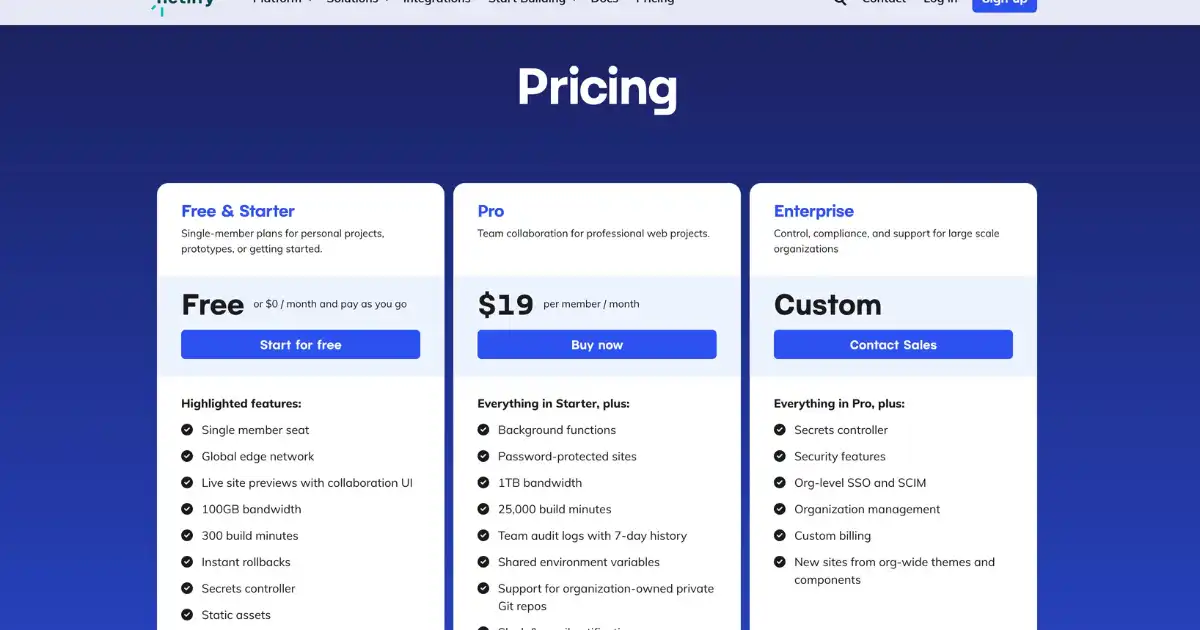
Imagine landing on a website, instantly understanding its pricing, and feeling confident enough to click “Buy Now” without hesitation. That’s the power of a well-crafted pricing page—it doesn’t just display numbers; it builds trust, clarity, and conversion. Yet, most businesses struggle to strike the perfect balance between transparency, persuasion, and profitability.
With the advent of Artificial Intelligence (AI), the art of designing and writing pricing pages has transformed. No longer do you need to rely on guesswork or countless A/B tests. AI tools can now analyze user behavior, optimize pricing tiers, generate persuasive copy, and even predict what layout will convert the best.
Whether you’re launching a SaaS product, eCommerce store, or service-based business, understanding how to draft pricing pages with AI can revolutionize your marketing strategy. You can save time, improve customer experience, and ensure your offers resonate with your audience—all while maximizing your revenue.
In this detailed guide, we’ll explore step-by-step how to create compelling, high-converting AI-driven pricing pages. From layout optimization to emotional triggers in copywriting, you’ll discover how to turn your pricing section into your brand’s most persuasive salesperson.
Why Pricing Pages Matter
A pricing page is more than just a table of costs—it’s where potential customers make their final decision. It’s the digital equivalent of a closing conversation between a salesperson and a customer. A poorly designed pricing page can create friction, confusion, and mistrust, while a strategic one can guide users toward the right choice effortlessly.
Studies show that over 60% of SaaS companies report their pricing page as the most visited section after the homepage. That means, regardless of how engaging your product descriptions are, your pricing presentation could make or break the sale.
This is where AI in pricing page creation steps in, blending data science, behavioral psychology, and marketing strategy to build pages that truly convert.
The Role of AI in Pricing Page Optimization
1. Predictive Analysis for Conversion
AI uses machine learning algorithms to evaluate vast amounts of user data—how long they stay on the page, where they click, which tier they hover over, and when they drop off. From these insights, AI predicts which elements influence conversions most and provides actionable recommendations.
For example, an AI system might find that users are 30% more likely to convert when the “Popular Plan” is highlighted in a different color. With AI-driven analytics, you can make data-backed design choices instead of relying on assumptions.
2. Dynamic Pricing Models
One of the most powerful capabilities of AI is its ability to support dynamic pricing. This approach uses real-time data—like demand, competition, and customer behavior—to adjust prices automatically. Airlines, hotels, and eCommerce giants already use this strategy to optimize profits without alienating customers.
If you integrate AI-based pricing engines, your pricing page can update in real time to offer personalized or competitive rates. This enhances customer trust because it ensures fairness and transparency.
3. Automated Copywriting for Pricing Tiers
Writing persuasive pricing tier descriptions can be challenging. Each tier must communicate value clearly and justify the cost difference. AI-powered copywriting tools, such as ChatGPT or Jasper, can generate descriptions that emphasize unique benefits, address customer pain points, and include psychological triggers that encourage conversion.
By analyzing top-performing pages across industries, AI suggests emotional language and formatting styles proven to work. This reduces the trial-and-error process and helps you create copy that sells.
Steps to Draft Pricing Pages with AI
Step 1: Define Your Pricing Strategy
Before using AI tools, establish your pricing strategy. Decide whether you’ll use tiered pricing, freemium models, or value-based pricing. AI can enhance your approach but needs a framework to operate effectively.
For instance, AI can analyze your competitors’ public pricing structures, customer reviews, and even perceived value to suggest ideal price points. This ensures your pricing isn’t too high to scare prospects or too low to reduce perceived quality.
Step 2: Use AI for Competitor Benchmarking
Tools like Crayon, Kompyte, and Prisync use AI to track competitor pricing changes in real time. This allows your team to stay competitive without constant manual research. Once AI gathers data, you can adjust your prices or messaging to differentiate your offers.
You can also use AI to detect market sentiment—how customers react to certain prices or value claims—helping you tailor your copy accordingly.
Step 3: Design the Perfect Layout with AI
Your layout determines how visitors digest your pricing options. AI-based design tools like Figma with AI plugins, Framer AI, or Adobe Firefly can generate visually optimized pricing tables based on UX best practices.
AI considers spacing, hierarchy, and color psychology—ensuring that the most profitable or popular plan stands out naturally. A simple change like enlarging the “Pro” plan button or repositioning testimonials can dramatically affect conversions.
Step 4: Generate Persuasive Copy
Your pricing page needs AI-assisted copywriting that balances clarity and persuasion. Each tier should answer three key questions:
-
What do I get?
-
Why is it worth the price?
-
Why should I act now?
AI copy generators can produce variations of tier descriptions, CTAs, and feature lists. You can then test which version drives higher engagement. Use emotional cues, scarcity (“Limited Time Offer”), and social proof (“Trusted by 10,000+ customers”) for added impact.
Step 5: Personalize with AI
Personalization increases conversions by making users feel understood. AI tools can personalize pricing pages based on user behavior, location, and preferences. For instance:
-
Showing different pricing currencies automatically.
-
Displaying testimonials from users in the same industry.
-
Adjusting tone (formal/informal) based on audience segment.
Platforms like Segment, Optimizely, and Adobe Experience Cloud use AI to personalize web experiences in real time—turning your static pricing page into a dynamic sales tool.
Step 6: Run AI-Driven A/B Testing
AI can automate A/B testing by analyzing versions of your pricing page and identifying which one performs best. Unlike traditional testing, AI doesn’t need weeks of traffic to make conclusions. It continuously adapts and improves based on results.
AI tools like Google Optimize, VWO, or Convertize evaluate user behavior metrics such as scroll depth, time spent, and CTA clicks to suggest real-time improvements.
Step 7: Use AI to Enhance Visual Elements
AI doesn’t just handle numbers and copy—it also creates visuals. You can use AI tools like Canva Magic Design or Midjourney to create professional graphics, icons, and infographics that explain your pricing clearly.
Visual hierarchy, consistency, and emotional appeal are crucial for making users feel confident about their purchase decision.
Key Components of a High-Converting AI Pricing Page
1. Headline and Subheadline
Your headline should communicate value, not price. For example:
“Simple, Transparent Plans Designed to Grow with You.”
AI tools can analyze thousands of high-converting headlines to suggest data-backed phrasing that resonates with your target market.
2. Clear Pricing Tiers
Your AI pricing structure should include 3–4 tiers:
-
A basic plan for beginners.
-
A mid-tier (highlighted as “Most Popular”).
-
A premium plan for professionals.
AI can determine which features should appear in each tier by analyzing customer preferences and purchase history.
3. Feature Comparison Table
An AI-generated feature table visually communicates what users gain at each level. By emphasizing differences, it helps users justify paying more for added value.
4. Call to Action (CTA)
AI tools can test variations of CTAs like “Start Free Trial,” “Buy Now,” or “Upgrade Today” to identify which converts best. Placement, color, and wording all matter.
5. Testimonials and Social Proof
AI can curate the most relevant testimonials for each visitor segment—automatically displaying reviews from similar demographics or industries. This strengthens trust and reduces hesitation.
6. FAQ Section
AI chatbots can analyze customer queries and generate dynamic FAQs to address pricing objections instantly. This improves clarity and reduces bounce rates.
Common Mistakes to Avoid When Using AI
-
Over-Automation:
AI is powerful but not perfect. Always include human review to ensure authenticity and tone consistency.
-
Ignoring Emotional Triggers:
AI might generate logical pricing, but emotion drives purchase decisions. Blend data-driven insights with human storytelling.
-
Lack of Transparency:
Dynamic pricing should be clearly communicated. If customers suspect manipulation, trust can erode quickly.
-
Not Testing Enough:
Even with AI, continuous A/B testing is essential. Market trends and consumer behaviors evolve rapidly.
AI Tools for Pricing Page Creation
Here are some recommended AI tools for building, testing, and optimizing pricing pages:
| Purpose | Recommended Tools | Description |
|---|---|---|
| Pricing Strategy | Prisync, Crayon, Pricefx | Competitor tracking and dynamic pricing insights. |
| Copywriting | ChatGPT, Jasper, Copy.ai | Generates persuasive copy and CTA suggestions. |
| Design & Layout | Framer AI, Figma AI, Canva Magic Design | Creates visually optimized pricing layouts. |
| Personalization | Optimizely, Adobe Experience Cloud, Segment | Delivers tailored pricing experiences to users. |
| Testing & Optimization | Google Optimize, Convertize, VWO | Automates A/B testing and performance analytics. |
Benefits of Using AI for Pricing Page Development
-
Time Efficiency
Automates design, copy, and testing processes.
-
Data-Driven Decisions
Ensures your choices are backed by analytics, not guesswork.
-
Personalization
Tailors user experiences dynamically for higher engagement.
-
Scalability
AI tools can manage multiple product pricing pages simultaneously.
-
Increased Conversions
Optimized design and content boost user confidence and action rates.
The Future of AI in Pricing
The next evolution of AI-driven pricing pages will be fully adaptive—changing in real time based on user context, emotion detection, and even market fluctuations. Imagine a system that recognizes a hesitant visitor and subtly adjusts the offer, or one that adds value-based upsells automatically when the system predicts high intent.
Generative AI will continue to evolve from mere assistance to full-fledged autonomous pricing architects, blending design, copywriting, and strategy seamlessly.
You Might Be Interested In
- How Does Deepfake Detection Ai Identify Fake Content?
- What Are Best Ai Cybersecurity Tools For Smbs?
- How To Cluster Keywords Using Ai?
- Is The Paid Version Of Chat Gpt Worth It?
- What Are Ai Inference Chips Used For?
- Prompt Engineering Basics: The 5 Building Blocks
- How Is Ai Automation Expected To Evolve In Coming Years?
- Does Otter Ai Record Output Audio?
- How Does Virtual Server Hosting Support Websites?
- How To Auto-take Meeting Notes With Ai?
Conclusion
Creating an effective pricing page used to be a complex, trial-and-error process—but AI has made it faster, smarter, and more strategic. By integrating machine learning, automation, and behavioral insights, you can build a page that not only showcases your prices but also convinces, converts, and connects.
When done right, your AI-powered pricing page becomes a growth engine—one that adapts, learns, and improves with every visitor interaction. It reflects your brand’s transparency, value, and innovation while guiding users smoothly toward purchase decisions.
As digital markets become increasingly competitive, leveraging AI for pricing page creation is no longer optional—it’s essential. Businesses that embrace this transformation will enjoy better engagement, improved revenue, and stronger customer trust.
FAQs about Pricing Page
How can AI be used in pricing?
AI can be used in pricing by analyzing large amounts of data to identify trends, customer behavior, and market demand. It helps businesses make smarter pricing decisions by predicting how customers will respond to different price points. For example, AI can track competitors’ prices, seasonal changes, and purchase patterns to automatically adjust prices in real time. This ensures that products remain competitive while maximizing profits.
AI also supports personalized pricing, where prices are tailored to individual customers based on their buying habits, location, and loyalty. Companies like airlines, e-commerce stores, and hotels use AI to set dynamic prices that change according to demand and availability. By removing guesswork and relying on accurate data insights, AI-driven pricing allows businesses to stay flexible, competitive, and profitable in fast-changing markets.
What are the 7 C’s of pricing?
The 7 C’s of pricing are key factors that guide businesses in setting fair and effective prices. They include Cost, Customers, Competition, Channel, Company objectives, Conditions, and Compliance. Cost represents how much it takes to produce or deliver a product, while Customers refer to how much value buyers place on the product. Competition looks at what other companies are charging, helping businesses position their prices wisely. Channel refers to how the product reaches the customer—directly or through distributors—which can influence pricing strategies.
Company objectives define what the business wants to achieve, whether it’s profit maximization, market penetration, or brand leadership. Conditions include the overall economic and market environment, like inflation or consumer trends, that affect buying behavior. Lastly, Compliance ensures that pricing follows legal and ethical standards. Together, these seven elements create a strong foundation for setting prices that align with both business goals and customer expectations.
What are the 5 C’s of pricing?
The 5 C’s of pricing are Cost, Customer value, Competition, Channel members, and Company objectives. Cost helps determine the minimum price needed to cover production and operation expenses. Customer value focuses on how much customers are willing to pay based on their perception of quality, brand, and usefulness. Competition compares your pricing with others in the same market, making sure your offer remains appealing without undercutting profitability.
Channel members, such as distributors or retailers, can also affect pricing because they add their own margins or costs to the final price. Finally, Company objectives remind businesses to align prices with their long-term strategy, whether it’s gaining market share or achieving premium positioning. By carefully balancing these five elements, companies can create pricing strategies that attract customers, build trust, and maintain steady growth.
How to build a pricing page?
To build a great pricing page, start by keeping it clear, simple, and visually engaging. Use well-organized sections that present your pricing plans side by side, making comparisons easy. Each plan should highlight key features, benefits, and target users so visitors instantly understand what suits them best. Including testimonials, FAQs, or “Most Popular” tags can guide customers toward confident choices. Avoid overwhelming them with too many options—three to four pricing tiers usually work best.
Transparency is key. Display prices upfront, explain what’s included, and clarify any additional fees. Incorporate strong calls to action, such as “Get Started” or “Try Free,” to encourage conversions. Adding visual cues like icons, color highlights, or subtle animations can make the page more engaging. Finally, make your pricing page mobile-friendly and optimized for quick loading. A well-structured, customer-focused pricing page not only boosts trust but also increases sales by reducing confusion and hesitation.
How much does ChatGPT cost?
ChatGPT offers both free and paid versions to suit different user needs. The free version gives access to basic AI chat capabilities, though it may have slower response times and limited availability during high-demand periods. For users who need faster, more advanced performance, OpenAI offers ChatGPT Plus, which typically costs around $20 per month. This subscription provides access to the latest models, quicker replies, and priority access even when demand is high.
For professionals and businesses, OpenAI also offers ChatGPT Team and Enterprise plans, which include extra features like data privacy options, collaboration tools, and API access for integrating AI into workflows. These advanced plans vary in cost based on usage and organization size. Whether you’re a casual user or a business looking for AI-powered efficiency, ChatGPT provides flexible pricing options to meet different levels of demand and functionality.
