


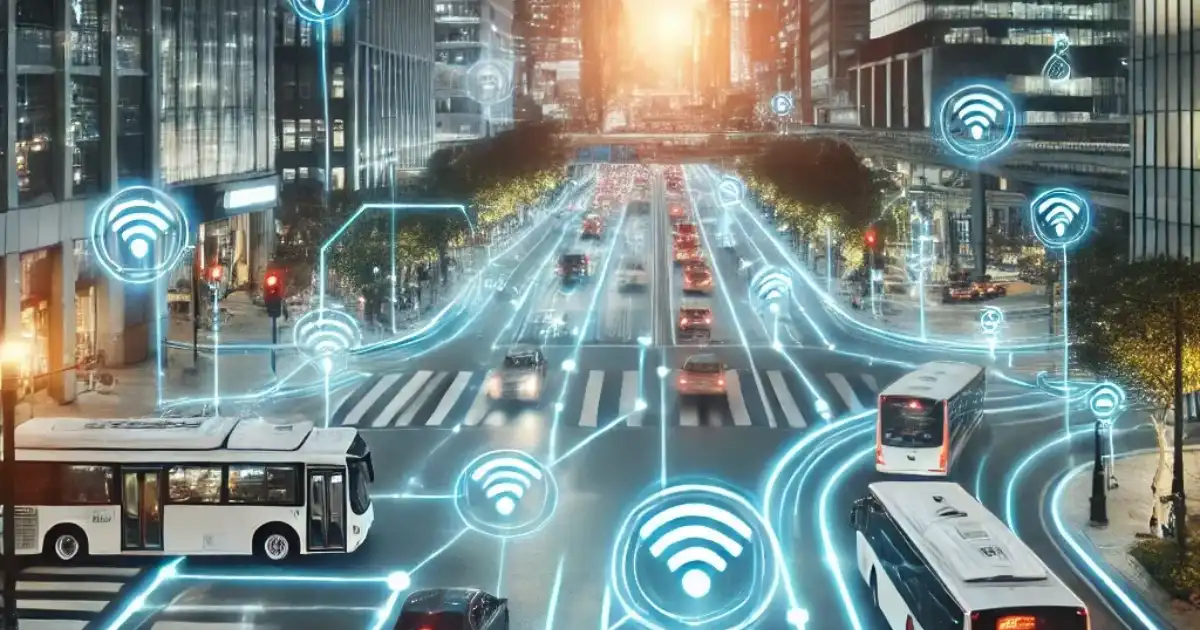
Imagine cruising through your city streets during rush hour—no honking, no bottlenecks, and no wasted fuel. Sounds like a futuristic dream, right? Well, that future is already becoming reality, thanks to the transformative power of AI in Traffic Management.
Traffic congestion has long been the nightmare of every driver, city planner, and environmentalist. It drains time, money, and productivity. Traditional traffic systems are reactive and slow, unable to handle today’s ever-growing urban demands. But artificial intelligence is here to change that, offering smart, adaptive, and real-time solutions to reduce jams, optimize routes, and create seamless city commutes.
What if your morning drive to school or work could be smooth and stress-free? What if emergency vehicles could reach hospitals without delay? AI in Traffic Management offers exactly that—intelligent, efficient, and data-driven solutions that revolutionize the way we move through cities.
Read on to discover how AI in Traffic Management is reshaping urban mobility, how it works, its major components, benefits, challenges, global success stories, and what the future holds. Whether you’re a student, driver, policymaker, or just someone tired of being stuck in traffic, this guide is for you.
What is AI in Traffic Management?
Artificial Intelligence (AI) in traffic systems refers to the integration of machine learning algorithms, computer vision, big data, and IoT to analyze, predict, and optimize traffic flow. Traditional traffic systems rely on fixed schedules and manual oversight. In contrast, AI in Traffic Management is adaptive. It uses real-time data to make intelligent decisions on traffic light timing, rerouting, and congestion control.
Why is Traffic Congestion a Global Problem?
Economic Loss
According to a 2024 report by the INRIX Global Traffic Scorecard, congestion costs drivers in major cities thousands of dollars annually in lost time and fuel.
Environmental Impact
Idling vehicles emit carbon dioxide and other greenhouse gases. Traffic jams significantly increase the urban carbon footprint.
Health Issues
Constant exposure to air pollution and noise leads to respiratory problems and mental stress.
Emergency Delays
Emergency services like ambulances and fire trucks are delayed, often resulting in tragic consequences.
This is why modern cities are turning toward AI in Traffic Management for a smarter, cleaner, and faster solution.
How AI in Traffic Management Works
1. Data Collection
AI systems rely on massive volumes of data. Sensors, CCTV cameras, GPS, and mobile data provide live updates on:
-
Vehicle count
-
Speed
-
Traffic density
-
Accidents
-
Weather conditions
2. Real-Time Analysis
Machine learning algorithms process this data instantly. The system identifies patterns such as peak hours, traffic bottlenecks, and accident-prone zones.
3. Decision Making
Based on real-time analysis, AI in Traffic Management systems dynamically:
-
Adjust traffic signal timing
-
Recommend alternate routes
-
Inform drivers via digital signboards or mobile apps
-
Send alerts for accidents or blockages
4. Feedback Loop
The system learns from past decisions to continuously improve future predictions and actions.
Key Technologies Powering AI in Traffic Management
Machine Learning (ML)
ML helps the system recognize traffic patterns and make predictions. Over time, the algorithm improves its accuracy.
Computer Vision
Used in traffic cameras, this technology identifies vehicle types, counts cars, detects license plates, and spots accidents or unusual behavior.
Internet of Things (IoT)
IoT devices like smart traffic signals and GPS trackers communicate with the central AI system to send and receive real-time data.
Big Data Analytics
Large-scale data from millions of cars, road sensors, and mobile phones helps AI forecast congestion before it occurs.
Real-World Examples of AI in Traffic Management
1. Los Angeles, USA
LA uses an Automated Traffic Surveillance and Control (ATSAC) system. AI dynamically manages 4,500 traffic signals across the city, reducing travel time by 12%.
2. Hangzhou, China
With the help of Alibaba Cloud’s City Brain, Hangzhou saw a 15% improvement in traffic speed and faster emergency response times.
3. London, UK
Transport for London (TfL) uses AI to monitor buses and road conditions in real-time, adjusting routes and timing to avoid delays.
4. New Delhi, India
Delhi’s traffic police use AI-powered cameras to catch traffic violations, easing congestion and promoting safer driving behavior.
These cities prove that AI in Traffic Management isn’t just theory—it’s a working solution around the globe.
Benefits of AI in Traffic Management
1. Reduced Traffic Jams
Dynamic traffic signal adjustments prevent long queues and keep traffic moving.
2. Faster Emergency Response
AI can clear a path for emergency vehicles by adjusting signals en route.
3. Enhanced Public Safety
Real-time accident detection and faster alerts lead to quicker response and fewer secondary accidents.
4. Environmental Improvement
Fewer idling cars mean reduced carbon emissions and better air quality.
5. Better Urban Planning
AI data helps city planners design better road systems, bus routes, and infrastructure upgrades.
6. Cost Savings
Reduced fuel consumption, fewer delays, and lower operational costs benefit both governments and citizens.
How AI in Traffic Management Helps Different Stakeholders
For Drivers
-
Shorter commute times
-
Real-time route updates
-
Less frustration and stress
For Governments
-
Efficient road usage
-
Reduced need for road expansions
-
Better traffic law enforcement
For Emergency Services
-
Priority signal management
-
Instant accident notifications
For Environmentalists
-
Lower emissions
-
Data-driven green policy development
Challenges in Implementing AI in Traffic Management
1. High Initial Costs
Smart sensors, AI software, and infrastructure upgrades can be expensive.
2. Data Privacy Concerns
Cameras and GPS trackers raise questions about surveillance and personal privacy.
3. System Integration
Linking old traffic systems with new AI technologies is complex and requires careful planning.
4. Technical Expertise
Cities need skilled personnel to install, manage, and maintain AI systems.
5. Unequal Access
Developing regions may lack the resources to adopt these technologies, widening the urban-rural divide.
Solutions to the Challenges
Public-Private Partnerships
Governments can collaborate with tech companies to share costs and expertise.
Open Data Policies
Transparency in data collection and usage can ease privacy concerns.
Pilot Programs
Testing AI in small regions before citywide implementation helps fine-tune systems.
Upskilling Workforce
Training city employees in AI and data analytics ensures long-term success.
The Future of AI in Traffic Management
Autonomous Vehicles
Future AI systems will communicate directly with self-driving cars, ensuring ultra-efficient traffic control.
Smart Infrastructure
Roads with embedded sensors will report damage, monitor temperature, and more.
AI-Powered Drones
Drones can monitor large areas, detect traffic build-ups, and assist in real-time navigation.
Predictive Analytics
AI will not just react to traffic—it will predict it hours or even days in advance based on historical trends, weather forecasts, and city events.
Citizen Feedback Integration
AI systems may soon include input from mobile users reporting accidents or slowdowns directly.
How You Can Benefit from AI in Traffic Management
Even if your city hasn’t fully implemented AI yet, there are ways you can leverage it:
-
Use GPS apps like Google Maps or Waze that rely on AI for real-time traffic updates.
-
Follow digital road signs and traffic alerts.
-
Support local initiatives and advocate for smart city planning.
-
Respect traffic laws to ensure smoother AI data processing.
Comprehensive Guide for Cities Adopting AI in Traffic Management
Step 1: Assess Needs
Identify key problem areas—accident zones, bottlenecks, high-volume routes.
Step 2: Choose the Right Technology
Different cities need different tech stacks. Some might benefit more from smart signals, others from camera-based systems.
Step 3: Install Infrastructure
Deploy sensors, cameras, and IoT devices in key locations.
Step 4: Integrate Data Systems
Ensure compatibility between new and old systems. Cloud-based platforms help unify data streams.
Step 5: Train Staff
From traffic police to city IT departments, all stakeholders must understand how the system works.
Step 6: Launch Pilot Project
Select a small area for testing. Monitor performance, collect feedback, and adjust accordingly.
Step 7: Scale Up
Once the pilot succeeds, expand coverage citywide or to neighboring regions.
Step 8: Monitor and Improve
Continuously monitor the system, upgrade software, and retrain AI models as the city evolves.
You Might Be Interested In
- Why Is The Software Development Lifecycle Important?
- How To Turn Videos Into Text With Ai?
- Why Does Ai Data Centre Power Matter?
- How Ai Copilots Are Changing Everyday Office Work?
- Why Is Ai Patient Data Security Important In Hospitals?
- How To Use Chatbots To Automate Customer Support For Small Businesses?
- AI-Generated Code Security Risks Developers Must Know
- How To Write Sql With Ai As A Copilot?
- 9 Ai Tools To Generate Seo Content
- How Ai Is Predicting The Next Pandemic Before It Starts?
Conclusion
The integration of AI in Traffic Management marks a turning point in how cities tackle congestion. No longer must drivers suffer through endless jams, emissions pollute our air, or emergency responders waste precious minutes stuck in traffic.
From real-time signal adjustments to long-term urban planning, AI has opened a new frontier for traffic control that is efficient, intelligent, and people-centric. As more cities embrace these smart technologies, smoother roads, cleaner air, and faster commutes are no longer wishful thinking—they are tangible benefits already seen in cities around the globe.
For a 12th-grade student, it’s not just about understanding how these systems work—it’s about envisioning the cities they’ll live in, shape, or govern tomorrow.
If you’re part of a community, a policymaker, a developer, or simply a daily commuter, now is the time to advocate for smarter solutions. AI in Traffic Management is no longer a luxury; it’s a necessity for the sustainable future of urban living.
FAQs about Traffic Management
How can AI prevent traffic jams?
AI can prevent traffic jams by analyzing real-time data from traffic cameras, sensors, GPS, and even social media. This information helps AI predict where traffic is building up and what areas might get congested soon. By spotting patterns in traffic flow, AI systems can suggest better routes to drivers through navigation apps or alert authorities to make quick decisions.
AI can also coordinate traffic signals more effectively to control the flow of vehicles. For example, if there’s a sudden increase in cars on one road, AI can make traffic lights stay green longer to allow more cars to pass through, preventing long lines. Over time, AI learns from traffic behavior and makes smarter decisions to avoid future jams, making roads less crowded and smoother to drive on.
What role does AI play in the traffic management system?
AI plays a major role in making traffic management systems smarter and more efficient. It collects data from road sensors, traffic cameras, and GPS devices to understand how vehicles are moving in a city. With this data, AI can predict traffic conditions, identify problems like accidents or roadblocks, and offer solutions quickly.
For example, AI can automatically adjust traffic lights, suggest detours, or notify emergency services if there’s a crash. In smart cities, AI also works with public transportation and ride-sharing systems to keep things running smoothly. Overall, AI helps reduce traffic congestion, cut down on travel time, and make roads safer for everyone.
How can AI-controlled traffic lights help reduce traffic jams in a busy city?
AI-controlled traffic lights can reduce traffic jams by adjusting the timing of lights based on real-time traffic flow instead of following a fixed schedule. These smart traffic lights use data from road sensors and cameras to see how many cars are waiting at each intersection. If there’s a long line of vehicles in one direction, the AI can keep the green light on longer to let more cars pass and avoid backups.
In busy cities where traffic is constantly changing, AI can respond quickly to changes like a sudden rush hour or a road accident. By reducing the amount of time vehicles sit idle at red lights, these AI systems also help save fuel and reduce air pollution. Over time, this smart control of traffic lights makes driving less stressful and helps the entire city move more efficiently.
How is AI used in air traffic management?
AI is used in air traffic management to help control and monitor the movement of airplanes both on the ground and in the sky. It analyzes weather data, flight schedules, and airplane locations to create safe and efficient flight paths. This helps reduce delays, avoid collisions, and improve communication between pilots and air traffic controllers.
AI can also predict possible problems like bad weather or crowded airspace and offer solutions ahead of time. For example, it can suggest changing a flight’s route or adjusting its altitude to avoid turbulence or other planes. By making quicker and smarter decisions, AI supports air traffic controllers in keeping air travel safe and on time.
Which AI technique is commonly used for real-time traffic management?
One common AI technique used for real-time traffic management is machine learning. This allows computers to learn from traffic data and improve their decisions over time without being directly programmed. Machine learning algorithms can understand patterns in traffic flow, like when roads get busy or where accidents usually happen, and use this knowledge to make smarter choices.
Another helpful AI technique is computer vision, which uses cameras and image recognition to see what’s happening on the roads. Together, these tools help create systems that can respond instantly to traffic changes, adjust signals, and provide live updates to drivers. These real-time responses make travel faster, safer, and less stressful in crowded cities.
