


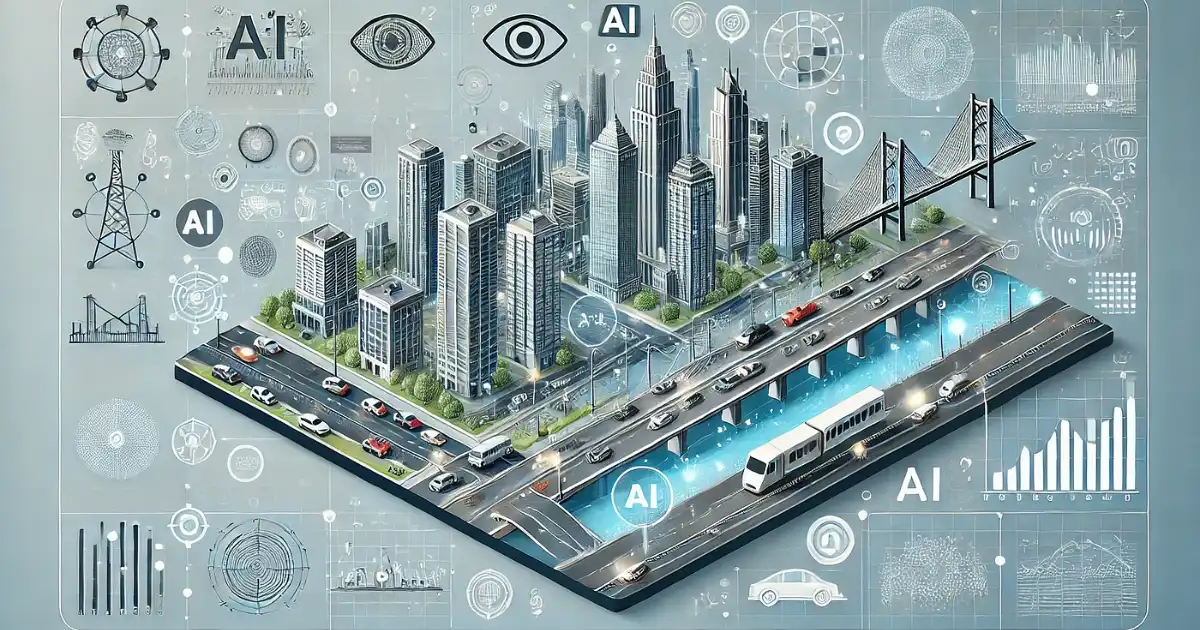
Imagine a city where traffic jams are a thing of the past. Where housing shortages are anticipated and resolved before they even happen. Where pollution levels are minimized through smart infrastructure. Sounds futuristic? It’s not. It’s happening now — thanks to Artificial Intelligence (AI) and Urban Planning Optimization.
We’re in the middle of a massive transformation. Urban areas are expected to house 68% of the world’s population by 2050. With this surge comes a complex set of challenges: overcrowding, inefficient transportation, environmental degradation, and uneven infrastructure development. Traditional planning methods are struggling to keep up — and that’s where AI steps in.
In this comprehensive guide, we will uncover how AI is not just improving, but revolutionizing Urban Planning Optimization. Whether you’re a city planner, tech enthusiast, policy maker, or a curious citizen, this article will break it all down in a simple, digestible way — using the AIDA framework to hook your interest, feed your curiosity, and empower you to take action.
Why Cities Need Smart Solutions Now
Cities are growing. Fast. And with rapid growth come real-world problems:
-
Traffic congestion that wastes billions of dollars in productivity.
-
Urban sprawl choking green spaces and increasing carbon footprints.
-
Poorly managed waste and utilities.
-
Inefficient housing and zoning policies.
-
Emergency response systems that aren’t keeping up.
These aren’t minor inconveniences. They impact quality of life, economic growth, and even public safety. Traditional Urban Planning Optimization methods—maps, public consultations, spreadsheets—just don’t cut it anymore.
AI offers cities something they’ve never had before — the ability to predict, adapt, and evolve in real-time. It helps planners make faster, more accurate decisions that align with long-term urban development goals.
How AI Is Transforming Urban Planning Optimization
What Is Urban Planning Optimization?
Urban Planning Optimization is the process of designing, evaluating, and improving city development strategies using data, models, and technology. It includes everything from where to build roads and parks to how to manage traffic lights, utilities, and zoning regulations.
Traditionally, this process has been slow, expensive, and heavily reliant on static data. But AI changes the game by introducing dynamic, predictive, and autonomous decision-making tools.
Role of AI in Urban Planning
AI helps cities:
-
Predict future urban growth with greater accuracy.
-
Simulate development scenarios to assess long-term impact.
-
Analyze big data from sensors, satellites, and citizens.
-
Optimize traffic, energy, and resource allocation in real-time.
-
Enhance public safety through smart surveillance and emergency planning.
Let’s dive deeper into the core components where AI is making a powerful impact.
Core Applications of AI in Urban Planning Optimization
1. Predictive Urban Modeling
AI can simulate future growth based on current and historical data. Using machine learning models, cities can predict:
-
Population growth patterns
-
Housing demand
-
Infrastructure stress points
-
Transportation needs
For example, AI can analyze zoning laws, building permits, and migration patterns to forecast where the next housing boom or traffic congestion is likely to occur.
This allows city planners to proactively design neighborhoods and transportation systems rather than reactively fixing problems.
2. Smart Traffic Management
Traffic is one of the biggest pain points in urban areas. AI-powered traffic systems optimize signal timings, predict congestion, and reroute traffic dynamically.
Key technologies include:
-
Computer vision
Analyzes real-time traffic camera feeds to identify bottlenecks.
-
Reinforcement learning
Learns the most efficient traffic light patterns based on historical behavior.
-
IoT integration
Collects data from vehicles, smartphones, and road sensors.
Cities like Barcelona, Singapore, and Los Angeles are already using AI to reduce travel time and pollution.
3. Land Use and Zoning Optimization
AI can evaluate massive datasets to identify the most efficient land use patterns.
It considers:
-
Accessibility
-
Socioeconomic factors
-
Real estate trends
AI helps planners balance commercial, residential, and green spaces while minimizing negative consequences like displacement or gentrification.
4. Infrastructure Maintenance and Asset Management
AI-powered systems use predictive analytics to determine when infrastructure (like bridges, roads, or sewage systems) will need repair or replacement.
Benefits include:
-
Reduced downtime
-
Cost-effective maintenance
-
Improved safety
For instance, AI can analyze vibrations and stress levels in bridges to predict structural failures before they occur.
5. Environmental Monitoring and Sustainability
AI plays a crucial role in sustainable Urban Planning Optimization:
-
Monitors air and water quality using sensor data
-
Predicts pollution patterns
-
Identifies areas at risk of flooding or heatwaves
-
Helps design eco-friendly transportation and buildings
Machine learning models help cities set and achieve carbon reduction goals through better planning and resource allocation.
Why We Should Embrace AI in Urban Planning
Benefits for Planners
-
Faster decision-making with real-time analytics.
-
Improved accuracy through predictive models.
-
Scenario testing for different planning options.
-
Increased stakeholder engagement via AI-generated visualizations.
Benefits for Citizens
-
Shorter commute times and improved public transportation.
-
Safer neighborhoods with smarter emergency response.
-
Affordable housing through better zoning and forecasting.
-
Cleaner environments with AI-driven sustainability initiatives.
Benefits for Governments
-
Cost savings through efficient resource management.
-
Transparency and accountability through data-backed planning.
-
Policy effectiveness with measurable impact forecasting.
AI doesn’t just make planning more efficient — it makes it smarter, fairer, and more responsive to the needs of everyone involved.
Implementing AI in Urban Planning Optimization
Step 1: Collect High-Quality Urban Data
The foundation of AI is data. Cities need to invest in gathering and structuring relevant data from:
-
Satellite imagery
-
Transportation systems
-
Environmental sensors
-
Census and demographic databases
-
Social media and citizen feedback platforms
Step 2: Integrate AI Tools and Platforms
Several tools are now available to assist in Urban Planning Optimization, including:
-
CityEngine by Esri for 3D urban modeling
-
Sidewalk Labs’ Delve for neighborhood planning
-
UrbanFootprint for data analytics and scenario planning
-
OpenAI and Google DeepMind APIs for custom modeling
Cities should either partner with tech firms or build in-house capabilities to utilize these tools.
Step 3: Build Interdisciplinary Teams
Successful AI integration requires collaboration between:
-
Urban planners
-
Data scientists
-
Software developers
-
Policy makers
-
Community leaders
Workshops, training, and shared platforms ensure everyone is aligned and empowered.
Step 4: Ensure Transparency and Ethics
AI can perpetuate biases if not handled carefully.
Urban planning must ensure:
-
Transparent data usage
-
Inclusive algorithms that consider all demographics
-
Open-source frameworks where possible
-
Citizen participation in evaluating AI decisions
Trust is key. Cities must communicate how AI tools are being used and how decisions are made.
Real-World Case Studies of AI in Urban Planning Optimization
Singapore: AI-Driven Smart City
Singapore’s Urban Redevelopment Authority uses AI to simulate thousands of planning scenarios for new developments. Their “Virtual Singapore” platform helps stakeholders explore designs before implementation.
Amsterdam: Predictive Traffic and Infrastructure
Amsterdam uses AI to predict foot and bike traffic across different seasons and adjust street designs accordingly. They also use machine learning to monitor canal bridge health and schedule timely maintenance.
Boston: Data-Informed Zoning Reforms
Boston’s CityScore initiative uses AI to analyze public service delivery, including 311 calls and emergency response. This data shapes zoning and public infrastructure investment.
Toronto: Sidewalk Labs Project (now discontinued but influential)
Though it faced privacy concerns and was eventually halted, Sidewalk Labs’ AI-driven approach introduced automated waste collection, modular housing design, and dynamic traffic modeling into public discourse.
Challenges and Limitations of AI in Urban Planning Optimization
Despite its benefits, AI in Urban Planning Optimization faces hurdles:
-
Data privacy concerns
How do we protect citizen data while still optimizing?
-
Bias in algorithms
AI can unintentionally reinforce social inequalities if trained on biased data.
-
High upfront costs
Setting up AI infrastructure can be expensive.
-
Resistance to change
Traditional planners and governments may be slow to adopt new technologies.
-
Ethical dilemmas
Who is responsible if AI-driven planning results in gentrification or displacement?
Solving these challenges requires responsible innovation, stakeholder collaboration, and policy frameworks that prioritize equity and transparency.
You Might Be Interested In
- How To Reply To Emails With Ai?
- What Is Ai For Automated Incident Response?
- Why Does Ai Cloud Networking Matter?
- How Long Will Otter Ai Record On Its Own?
- How Does Gpu Chip Architecture Support Ai?
- What Are Common Performance Metrics?
- How Do Ai Systems Learn From Data Over Time?
- What Are The Big 5 In Ai?
- How to convert voice to text with AI?
- How to Choose AI Tools Without Getting Overwhelmed?
Conclusion
AI is not here to replace human urban planners — it’s here to empower them.
Through predictive analytics, real-time data interpretation, and powerful simulations, AI is changing the very fabric of how we build and evolve our cities. Whether it’s reducing traffic, enhancing sustainability, or managing housing growth, Urban Planning Optimization with AI is helping shape smarter, safer, and more livable urban environments.
But to get there, we must commit to responsible implementation, ethical oversight, and inclusive participation. The tools are ready. The data is flowing. The potential is enormous.
FAQs about Urban Planning Optimization
How is artificial intelligence used in urban planning?
Artificial intelligence (AI) is used in urban planning to help cities become smarter, safer, and more efficient. It analyzes large amounts of data from traffic patterns, public transportation, energy use, weather conditions, and even social media to help city planners make better decisions. For example, AI can show where to build new roads or where more schools and hospitals are needed based on population growth and usage patterns.
AI also helps in predicting problems before they happen. It can alert city planners about future overcrowding, pollution, or high traffic zones, so they can take action early. In short, AI gives planners a clearer picture of how cities function, helping them create better and more livable urban environments.
What is an AI system for optimizing traffic flow in urban areas?
An AI system for optimizing traffic flow uses sensors, cameras, and real-time data to control and improve how traffic moves through a city. These systems collect information about traffic congestion, accidents, road conditions, and even weather. Then, using machine learning, the AI can suggest better routes, adjust traffic lights, or warn drivers about delays and dangers ahead.
For example, if there’s an accident on a main road, an AI system can automatically reroute traffic through less busy streets or change the timing of traffic signals to prevent further congestion. Some cities also use AI to give priority to emergency vehicles by controlling traffic lights. These systems reduce travel time, save fuel, and make the streets safer for everyone.
How does AI help in planning?
AI helps in planning by organizing and analyzing large sets of information faster and more accurately than humans. Whether it’s planning a new housing area, building a transportation system, or preparing for natural disasters, AI can process all the data involved and offer smart suggestions. This means fewer mistakes, better timing, and more cost-effective solutions.
AI can also simulate different planning scenarios. For example, if a city wants to build a new park or shopping center, AI can show what impact it will have on nearby traffic, pollution, and energy use. This helps planners see the future effects of their decisions before any construction starts, making planning more reliable and successful.
Will AI take over urban planning?
AI will not completely take over urban planning, but it will play a bigger and more important role. While AI is excellent at analyzing data and making predictions, it doesn’t have human values, creativity, or a deep understanding of community needs. Urban planning is not just about numbers; it’s also about people, culture, and the environment, which still need human judgment and empathy.
Planners and engineers will still be the ones making final decisions, but they’ll use AI as a powerful tool to help them. So, rather than replacing human planners, AI will work alongside them, making the process faster, more efficient, and more informed.
Can AI do project planning?
Yes, AI can help with project planning by managing tasks, estimating timelines, and keeping track of budgets. It uses data from past projects to make smarter decisions about how to plan current and future ones. AI tools can predict delays, identify risks, and suggest ways to stay on schedule, which is very useful for big construction or city projects.
For example, in building a new subway system, AI could help schedule each step, from design to construction, while making sure resources are used wisely. It can even help assign tasks to workers based on their skills and availability. Although humans still need to supervise and make key choices, AI can handle many of the details, helping projects run more smoothly and finish on time.
