


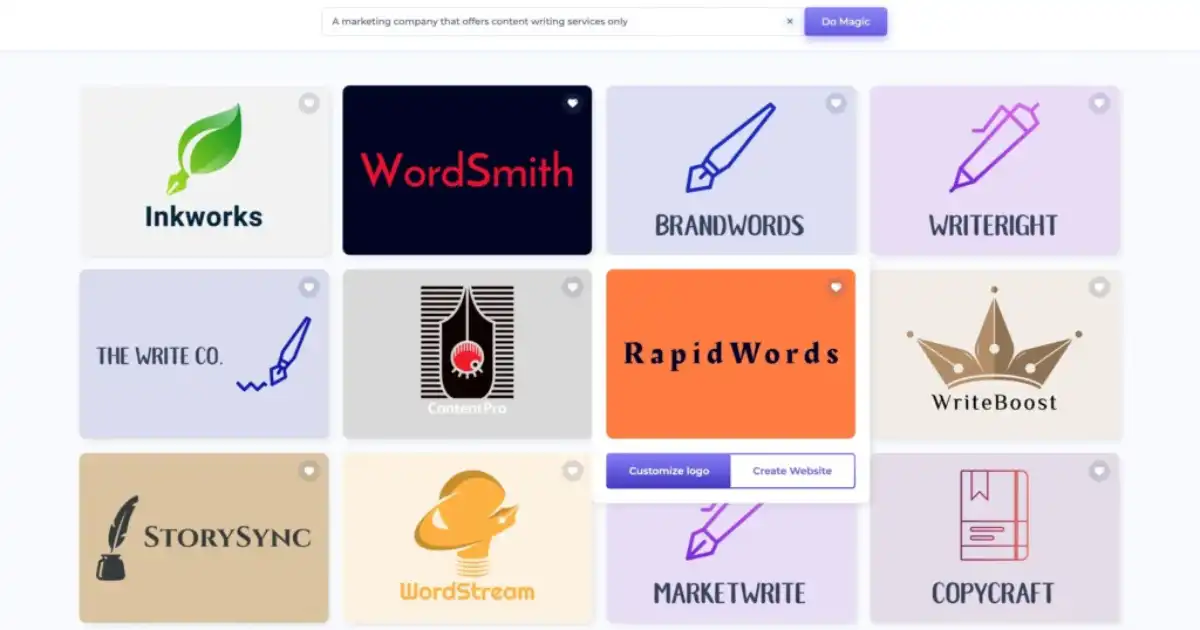
In a world where first impressions define the fate of brands, your brand name isn’t just a word — it’s the story, personality, and promise of your business wrapped in a few memorable syllables. Yet, finding the perfect name has never been more challenging. The global marketplace is saturated, creativity feels scarce, and originality is harder to claim than ever. That’s where AI-powered brand naming steps in — revolutionizing how entrepreneurs, startups, and global enterprises create names that stand out and resonate.
Imagine having a digital creative partner that can generate hundreds of ideas in seconds, analyze linguistic appeal, check domain availability, and even predict audience response. The fusion of human imagination with machine intelligence is unlocking unprecedented potential. In this guide, we’ll explore 101 brand name ideas with AI, diving deep into how artificial intelligence can help you craft meaningful, market-ready names that attract, inspire, and convert.
Let’s uncover how AI transforms naming from a guessing game into a science-backed art.
Why a Powerful Brand Name Matters
A strong brand name is the foundation of your identity. It sets the tone for how customers perceive you and determines your positioning in a competitive marketplace. The right name does more than sound good — it evokes emotion, builds trust, and sparks curiosity.
When people hear “Apple,” they don’t think of fruit — they think of innovation, simplicity, and design excellence. When they hear “Tesla,” they think of energy, speed, and futuristic vision. A good name plants a concept in the audience’s mind that grows into recognition and loyalty.
AI enhances this process by evaluating phonetics, memorability, and emotional resonance. It helps ensure that your chosen name is not only unique but also brandable and globally scalable.
How AI Transforms the Naming Process
Before AI, brand naming was a slow, brainstorming-heavy process involving weeks of ideation, feedback, and trademark checks. Now, AI brand name generators analyze millions of linguistic combinations, cultural contexts, and marketing data points in seconds.
Here’s how AI-driven brand naming works:
-
Input and Intent Recognition
You describe your business, audience, and tone (playful, luxury, modern, etc.).
-
Linguistic Modeling
The AI uses NLP (Natural Language Processing) to understand associations, root words, and phonetic appeal.
-
Creative Expansion
It generates endless variations using metaphors, acronyms, and emotional triggers.
-
Availability Check
Some tools even check domain and trademark availability instantly.
AI doesn’t replace creativity — it enhances it. By combining human intuition with machine efficiency, businesses can quickly discover distinctive, meaningful brand names that resonate across cultures and industries.
101 Brand Name Ideas with AI
Below is a categorized list of AI-generated brand name ideas that capture creativity, relevance, and memorability. These examples are designed to inspire you, whether you’re naming a startup, app, eCommerce brand, or tech company.
1. AI Tech & Innovation Names
-
Neuroverse
-
Cognilink
-
Synaptech
-
MindGrid
-
AlgoNova
-
DeepSync
-
Intellisphere
-
CodePulse
-
NexLogic
-
AetherMind
These names combine futuristic tones with technological sophistication. They suggest intelligence, progress, and digital transformation — ideal for AI startups, SaaS platforms, or research labs.
2. Creative Agency & Design Studio Names
-
Pixelora
-
Visiomatic
-
BrandNexus
-
IdeaForge
-
CraftIQ
-
Aesthify
-
Lumetrix
-
Designaura
-
Inkspire
-
Naminova
These names blend art and intellect. AI-generated naming models often analyze sound patterns and associative words that convey creativity and energy — perfect for agencies or branding firms.
3. Health & Wellness Brand Names
-
VitaSync
-
Healexa
-
ZenithWell
-
Mindora
-
Pulsevera
-
TheraLogic
-
CuraNova
-
Wellora
-
BioNest
-
SerenIQ
Health-related names benefit from AI semantic analysis, ensuring the words convey trust, vitality, and serenity — essential qualities for healthcare and wellness branding.
4. E-commerce & Retail Brand Names
-
Shopnetic
-
Buyfinity
-
Trendora
-
Cartella
-
DealForge
-
Luxxen
-
MarketIQ
-
Brandify
-
Savora
-
TrendLoop
AI tools can analyze global retail trends and customer psychology, allowing brands to pick names that are catchy, SEO-friendly, and market-optimized.
5. Finance & Investment Brand Names
-
FinNexis
-
Credify
-
Wealthica
-
Monetra
-
InvestIQ
-
VaultEdge
-
Fundora
-
Crediton
-
SafeHaven
-
Yieldify
Finance names generated by AI emphasize trust, security, and growth potential, appealing to both tech-savvy investors and conservative clients alike.
6. Sustainability & Green Energy Names
-
EcoNexis
-
Greenova
-
Solvify
-
EarthMind
-
Verdeon
-
EcoPulse
-
SolarIQ
-
Revolta
-
BlueTerra
-
GaiaCore
AI recognizes the emotional resonance of sustainability. These names are grounded, inspiring, and futuristic, reflecting the values of modern eco-conscious consumers.
7. Education & Learning Platforms
-
EduNex
-
Skillora
-
Learnify
-
MindCrafted
-
StudyIQ
-
Knowvance
-
TutorSync
-
EduSphere
-
SkillMind
-
GrowEdge
For education startups, AI emphasizes clarity, empowerment, and innovation — ensuring the name inspires growth and credibility.
8. Fashion & Lifestyle Names
-
Vogueon
-
Luxora
-
StyleNex
-
TrendCraft
-
FashIQ
-
AuraVive
-
Modevia
-
Glametrix
-
Etherealyn
-
ChicVerse
Fashion names require emotional and aesthetic appeal. AI brand generators assess phonetic flow and memorability to produce names that feel modern, elegant, and international.
9. Gaming & Entertainment Brand Names
-
PlayForge
-
GameNova
-
XPBoost
-
StreamIQ
-
EpicMind
-
Questora
-
VirtuVerse
-
LevelUp
-
CoreX
-
NeoPlay
AI analyzes cultural references and language used by gamers to generate dynamic, energetic names that immediately capture attention.
10. AI & Automation Companies
-
Automind
-
RoboNex
-
Cognisync
-
TaskIQ
-
AIonix
-
Botera
-
MechMind
-
AutoVerse
-
NeuronIQ
-
Thinkora
-
SmartCore
For AI startups, these names convey intelligence, efficiency, and modernity — showcasing the machine’s ability to mirror human creativity while optimizing performance.
Tips for Creating the Perfect AI-Generated Brand Name
1. Define Your Brand Identity
Before using any AI name generator, clarify your mission, target audience, and brand personality. Are you bold or minimalistic? Futuristic or classic? This helps AI algorithms tailor suggestions that fit your essence.
2. Focus on Simplicity and Pronunciation
A brand name should roll off the tongue easily. Avoid overly complex or ambiguous words. AI linguistic models can score names based on phonetic appeal and memorability.
3. Check Availability and Trademarks
Even with AI’s help, always verify that your chosen name isn’t already trademarked or taken online. Many AI tools now integrate domain and legal checks, saving time and risk.
4. Test Emotional Resonance
AI can analyze audience emotion through sentiment data, but human feedback remains vital. Share top contenders with your audience and evaluate reactions.
5. Blend Creativity with Data
The best names come from collaboration — human creativity supported by AI insights. Use the data as a foundation, not a limit, and refine it with emotional storytelling.
The Psychology Behind AI Naming
AI-driven branding isn’t random — it’s rooted in neurolinguistics and consumer psychology. Algorithms analyze how sounds affect perception:
-
Soft sounds like “L,” “S,” or “M” convey calmness and luxury (e.g., Lumia, SerenIQ).
-
Sharp consonants like “K,” “T,” or “X” suggest strength and innovation (e.g., TaskIQ, NexLogic).
Moreover, AI sentiment analysis ensures that brand names evoke the right emotions across languages and demographics. This makes your brand universally appealing — a crucial advantage in global markets.
The Future of Brand Naming with AI
As artificial intelligence continues to evolve, the naming process will become even more refined. Future tools may integrate predictive analytics, voice recognition, and cross-cultural adaptation, allowing brands to tailor their identity to local markets dynamically.
AI will not only generate names but also simulate audience reactions, visualize logo ideas, and recommend marketing taglines — turning brand creation into a seamless, end-to-end process.
In essence, AI brand naming is more than a creative shortcut. It’s a transformation of how businesses define themselves, combining linguistic art with technological precision.
You Might Be Interested In
- How To Add Watermark In Luminar Ai?
- Device Posture Checks: How Modern Access Decisions Are Made
- How To Identify Supervised Learning?
- What Are Ai Memory Chips Used For?
- How Do Disaster Recovery Services Support Compliance?
- Best Ai Cybersecurity Tools For Smbs
- What Is Cross Platform Development And How Does It Work?
- How To Code Rock Paper Scissors In Python?
- Secure Embeddings: How To Prevent Sensitive Document Retrieval
- What Are The 10 Uses Of Ai?
Conclusion
In today’s fast-paced digital era, the name you choose can determine whether your brand fades into noise or shines as a symbol of innovation. With AI-powered brand naming, the creative possibilities are endless. From data-driven insights to phonetic perfection, AI helps you craft names that are not only unique but unforgettable.
The 101 examples above prove that technology and creativity can coexist harmoniously. Whether you’re launching a tech startup, a fashion line, or an educational platform, AI can guide you toward the perfect identity — one that captures imagination, inspires trust, and stands the test of time.
The era of AI brand name generation isn’t the future — it’s the now. Embrace it, experiment with it, and let artificial intelligence become your co-creator in shaping a brand that truly speaks to the world.
FAQs about Brand Name
What is a good name for an AI?
A good name for an AI should sound intelligent, memorable, and meaningful. It should reflect the purpose or personality of the artificial intelligence. For example, if the AI focuses on helping people with creativity, a name like MuseMind or InspireAI might work well. If it’s built for business or data analysis, something sleek and futuristic like NeuraCore or DataPulse can give a professional touch. The best AI names are often short, easy to pronounce, and have a modern tone that feels both human and technological at the same time.
When creating an AI name, it’s also helpful to think about emotions and trust. A name that feels friendly or relatable can help users feel more comfortable interacting with the system. Avoid overly complicated or generic names that could easily be forgotten. The goal is to create a name that instantly communicates innovation, intelligence, and purpose.
What are the 7 types of brand names?
The seven main types of brand names are descriptive, evocative, invented, acronymic, founder-based, geographic, and compound names. Descriptive names clearly explain what the brand does, like General Motors or PayPal. Evocative names spark emotion or imagery, such as Nike (inspired by the Greek goddess of victory). Invented names, like Google or Kodak, are made-up words that stand out because of their uniqueness.
Acronymic names use initials to simplify longer names, like IBM or BMW. Founder-based names use the name of a person behind the brand, such as Ford or Walt Disney. Geographic names link the brand to a place or region, like Kentucky Fried Chicken or American Airlines. Lastly, compound names combine two words to create something new, such as Facebook or Snapchat. Understanding these categories helps when brainstorming a name that fits your brand’s personality and purpose.
What are good brand name ideas?
Good brand name ideas are short, catchy, and emotionally engaging. They should be easy to spell, pronounce, and remember. A good name also tells a story or hints at what the brand stands for. For instance, names like BrightPath, NovaTech, or EcoWave suggest innovation, progress, and sustainability—all positive qualities that attract attention. Ideally, a strong brand name captures both the logic and emotion behind your product or service.
When generating brand name ideas, consider your target audience and industry. A playful name might suit a lifestyle or tech brand, while a more formal one may be better for finance or healthcare. Try experimenting with word combinations, metaphors, and even foreign language roots to discover something original. The best names connect with people instantly, spark curiosity, and are flexible enough to grow with your brand over time.
What is a 7 letter brand name?
A 7-letter brand name strikes a great balance between being concise and distinctive. Many successful companies, such as Twitter, Spotify, and Dropbox, fall close to this length because seven letters are easy for people to remember and recognize visually. The name should roll off the tongue naturally and look clean when displayed in logos or advertisements.
When choosing a 7-letter name, focus on creativity and relevance. You can combine two short words or create an entirely new one. For example, Mindify, Aivolve, or Lumetra each sound modern and adaptable across industries. The key is to pick a name that feels unique but still simple enough for users to recall easily.
How do I pick a brand name?
Picking a brand name starts with understanding your business identity—its mission, audience, and values. Think about the feelings you want to evoke and the message you want to communicate. Begin by brainstorming a list of words related to your product, vision, and emotions you want customers to feel. Once you have a few ideas, check if they’re easy to pronounce, spell, and remember. A strong name should sound good aloud and look appealing in writing.
After shortlisting potential names, research their availability. Make sure the domain name is free and that no other business is using it. Test the name with a few people to see how they react—does it sound credible, exciting, or trustworthy? The perfect brand name is one that not only represents your company’s essence but also resonates deeply with your audience. It should grow with your business and remain timeless, no matter how trends change.
