


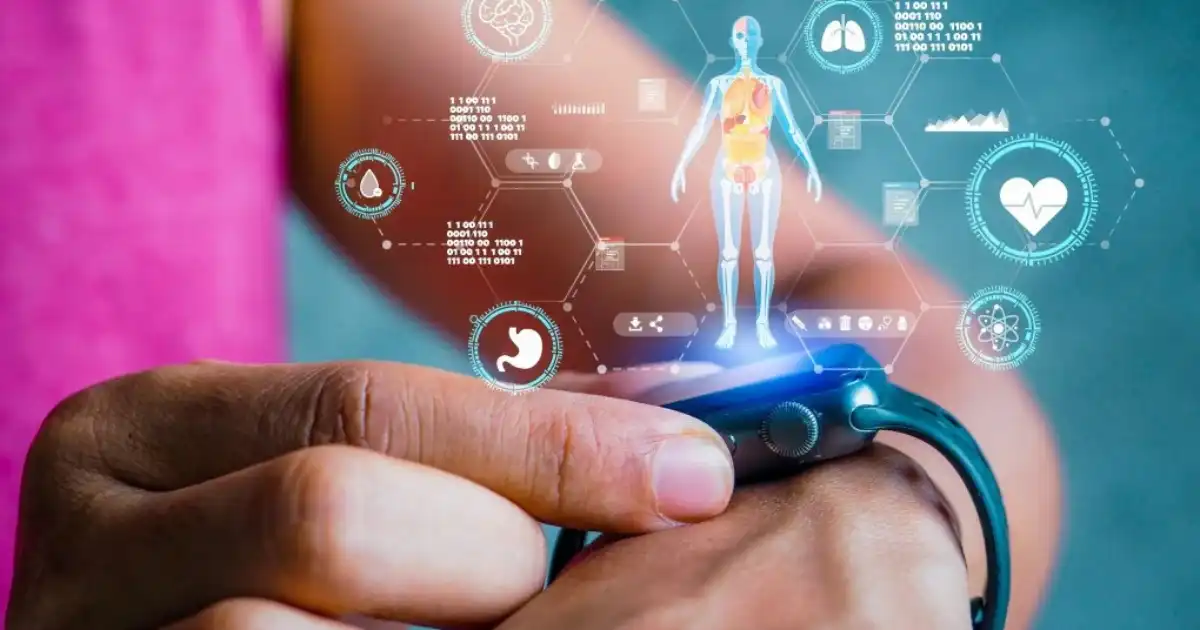
Imagine a world where deadly disease outbreaks are detected before they spread across borders. A world where health monitoring is so advanced that emerging health risks are spotted in real-time, enabling rapid interventions that save lives. This is no longer a distant dream—it’s the reality that Artificial Intelligence (AI) is making possible today.
For decades, public health systems have struggled with timely data collection, accurate disease prediction, and proactive prevention strategies. The COVID-19 pandemic revealed glaring weaknesses in how we monitor global health threats. Manual reporting, fragmented databases, and delayed response times cost lives. AI is rewriting this story by offering data-driven, real-time public health monitoring that empowers decision-makers to act fast and efficiently.
With AI, we can go beyond simply reacting to health crises—we can predict and prevent them. From tracking influenza outbreaks to detecting environmental health hazards, AI-driven health monitoring systems can analyze millions of data points from hospitals, social media, wearable devices, and environmental sensors to uncover patterns invisible to the human eye. This means fewer lives lost, less economic damage, and a healthier, more resilient global population.
In this guide, we will explore why AI for public health monitoring is vital, how it works, the technologies driving it, real-world examples, challenges, and how you can be part of this revolution in healthcare. Whether you’re a policymaker, a healthcare professional, or simply someone concerned about global health, this article will equip you with the knowledge to understand—and advocate for—the future of health monitoring.
What is Public Health Monitoring?
Public health monitoring refers to the continuous collection, analysis, and interpretation of health-related data to guide public health policies and interventions. It plays a crucial role in detecting disease outbreaks, monitoring environmental hazards, and evaluating the effectiveness of health programs.
Traditional systems rely on manual data entry, physician reports, and lab test confirmations, which can be slow and incomplete. This is where AI-powered health monitoring transforms the process into a real-time, predictive, and adaptive system.
How AI Transforms Health Monitoring
1. Real-Time Data Processing
AI can process massive amounts of data from hospitals, social media, wearable devices, environmental sensors, and government records instantly. This ensures public health authorities get up-to-the-minute insights.
2. Predictive Analytics
Machine learning models can forecast the likelihood of outbreaks by recognizing patterns in past and present data. For example, AI can predict the spread of dengue fever based on weather patterns, travel data, and historical outbreak information.
3. Early Warning Systems
AI algorithms can trigger alerts when unusual patterns emerge, allowing health agencies to act before a situation escalates.
4. Automated Disease Surveillance
Systems like BlueDot and HealthMap already use AI to scan global news reports, airline data, and public health announcements to detect emerging health threats—often days before official statements are made.
Key Technologies Powering AI in Health Monitoring
Machine Learning (ML)
ML models train on historical data to identify patterns, predict outcomes, and detect anomalies in public health trends.
Natural Language Processing (NLP)
NLP enables AI to analyze unstructured data like social media posts, news articles, and medical research papers to detect early signs of health risks.
Computer Vision
AI-powered imaging tools can analyze medical scans and detect health issues faster and more accurately than human specialists.
Internet of Medical Things (IoMT)
Wearable devices, smart health trackers, and remote patient monitoring tools continuously collect real-time health data for AI systems to analyze.
Big Data Analytics
Combining health data from multiple sources enables more comprehensive health monitoring insights.
Applications of AI in Public Health Monitoring
1. Epidemic and Pandemic Tracking
AI systems helped track COVID-19 spread, predicting hotspots before they became severe. These models also monitor influenza, Ebola, Zika virus, and other infectious diseases.
2. Environmental Health Surveillance
AI tracks air quality, water safety, and climate-related health risks, ensuring communities are warned about potential hazards.
3. Chronic Disease Monitoring
AI analyzes data from wearable devices to help manage diabetes, heart disease, and respiratory illnesses at a population level.
4. Vaccine Distribution and Uptake
By analyzing supply chains and public sentiment, AI helps optimize vaccine rollout and monitors coverage rates.
5. Mental Health Tracking
AI tools analyze social media trends and online behavior to detect signs of mental health crises in communities.
Benefits of AI in Public Health Monitoring
Faster Response Times
AI reduces the delay between data collection and action, enabling immediate interventions.
Increased Accuracy
Automated systems minimize human error, ensuring health monitoring data is reliable.
Cost Efficiency
AI reduces the manpower and resources needed for large-scale health surveillance.
Global Coverage
AI systems can track health issues across borders, making them vital for global health security.
Scalable Solutions
Whether for a small city or an entire country, AI-based monitoring systems can easily scale.
Challenges of AI in Health Monitoring
While the benefits are substantial, AI in public health monitoring faces some challenges:
-
Data Privacy Concerns
Collecting sensitive health data requires strong security measures.
-
Bias in AI Models
AI is only as good as the data it learns from; biased data can lead to flawed predictions.
-
Integration with Existing Systems
Many public health agencies still operate with outdated infrastructure.
-
Ethical Considerations
AI must be used responsibly to ensure it benefits all communities equally.
Case Studies of AI in Action
BlueDot – Predicting COVID-19 Outbreaks
BlueDot, a Canadian company, was among the first to warn about COVID-19 by scanning airline ticketing data, news reports, and health bulletins.
Google AI – Flu Trends
Google used search engine queries to track flu activity, providing faster data than traditional surveillance methods.
WHO’s EIOS Platform
The World Health Organization uses AI to analyze data from multiple sources for epidemic intelligence.
The Future of AI in Health Monitoring
We are heading towards a future where:
-
AI-driven wearable devices will act as personal health guardians.
-
Global AI health networks will provide real-time outbreak alerts.
-
Personalized health predictions will become standard, preventing illness before symptoms appear.
In the coming decade, AI will be as essential to health monitoring as stethoscopes are to doctors today.
Comprehensive Guide to Implementing AI for Public Health Monitoring
Step 1: Define Public Health Goals
Identify the primary health risks in your community—infectious diseases, chronic illnesses, environmental hazards—and determine what data is needed.
Step 2: Build Data Infrastructure
Ensure systems are in place to collect and store data from hospitals, labs, sensors, and wearable devices.
Step 3: Choose the Right AI Tools
Select machine learning, NLP, and predictive analytics tools suited to your monitoring needs.
Step 4: Ensure Data Privacy and Compliance
Follow data protection laws and implement encryption, anonymization, and secure storage.
Step 5: Train AI Models
Use historical and current data to teach AI systems how to detect health trends and anomalies.
Step 6: Integrate into Decision-Making
AI outputs must be connected to actionable public health policies and emergency response plans.
Step 7: Continuous Improvement
Regularly update AI models to reflect changing health conditions and improve accuracy.
You Might Be Interested In
- How Do Api Authentication Methods Work In Web Systems?
- How To Get Youtube Summaries With Ai?
- Ai Personalization: What Works Vs What Creeps People Out?
- How Do I Turn On The Zoom Ai Assistant?
- Observability for AI apps: what to log and what NOT to log
- What Are Data Poisoning In Ai Pipelines Risks?
- What Causes Machine Learning Underfitting?
- Why Ai For Election Security Monitoring Matters?
- How Do Ai Systems Learn From Data Over Time?
- Why Ai-enhanced Endpoint Security Matters?
Conclusion
AI is no longer just a futuristic idea—it’s a critical necessity for modern public health systems. The combination of real-time data processing, predictive capabilities, and scalable solutions makes AI the ultimate ally in health monitoring.
By detecting health threats earlier, responding faster, and predicting risks before they escalate, AI can save millions of lives and billions of dollars. But to fully realize its potential, governments, healthcare institutions, and tech companies must collaborate to build ethical, transparent, and accessible AI systems.
The urgency is clear: global health challenges are increasing in frequency and complexity. Without AI-powered health monitoring, we risk repeating the failures of past pandemics. With it, we move toward a safer, healthier, and more prepared world.
FAQs about Health Monitoring
Why is artificial intelligence important in public health?
Artificial intelligence (AI) plays a crucial role in public health because it can quickly analyze large amounts of data, identify patterns, and predict health trends that might be difficult for humans to detect on their own. This helps public health officials respond faster to potential disease outbreaks, manage healthcare resources more effectively, and create targeted prevention programs. For example, AI can examine hospital records, social media activity, and environmental data to predict where the next flu outbreak might occur, allowing health agencies to prepare in advance.
AI also improves access to healthcare by making it possible to provide remote health assessments, especially in areas where there are not enough doctors. It can help identify high-risk populations, suggest preventive measures, and even monitor chronic diseases in real time. By using AI, public health systems can work more efficiently, reduce costs, and save more lives.
Why is monitoring AI important?
Monitoring AI is important because it ensures that the technology is working accurately, safely, and ethically. Since AI systems make decisions that can affect people’s health, privacy, and safety, regular monitoring helps detect errors or biases that could lead to harmful outcomes. For example, if an AI tool used in hospitals starts giving inaccurate diagnoses due to flawed data, constant monitoring would catch the problem early before it causes serious harm to patients.
It also helps maintain trust between the public and technology. When people know that AI systems are being watched closely, tested for fairness, and updated to meet ethical standards, they are more likely to accept and use them. Monitoring ensures that AI evolves in a responsible way, keeping its benefits while reducing risks.
How is AI used in health monitoring?
AI is used in health monitoring to track and analyze patients’ health conditions in real time, often through wearable devices or smart medical equipment. These tools can collect data such as heart rate, blood pressure, oxygen levels, or glucose levels and send it to AI systems for analysis. The AI can then alert doctors or patients if something unusual is detected, such as irregular heart rhythms or signs of infection.
In addition, AI can combine this live data with a patient’s medical history to predict possible health problems before they become severe. For example, it can warn a diabetic patient of potential complications or remind someone to take their medication. This constant, intelligent monitoring helps people manage chronic illnesses better and reduces the chances of emergencies.
What are the key advantages of AI in structural health monitoring?
The key advantages of AI in structural health monitoring are speed, accuracy, and the ability to predict problems before they occur. AI can process massive amounts of sensor data from bridges, buildings, or other structures in real time, identifying tiny changes that could indicate damage or wear. This is much faster and more reliable than manual inspections, which may miss early warning signs.
Another advantage is cost savings. By predicting maintenance needs early, AI can prevent expensive repairs or even dangerous failures. This technology also makes it possible to monitor hard-to-reach places without putting human inspectors in risky situations. Overall, AI keeps structures safer, extends their lifespan, and helps communities avoid disasters.
What is the main advantage of AI in healthcare?
The main advantage of AI in healthcare is its ability to process and analyze medical information much faster than humans, helping doctors make more accurate diagnoses and treatment plans. AI can review thousands of medical images, lab results, or patient histories in seconds, spotting patterns that might be missed by the human eye. This speed can be critical in emergencies, where quick decisions can save lives.
AI also personalizes healthcare by tailoring treatments to each patient’s unique needs. For example, it can recommend specific medicines or therapies based on a person’s genetic makeup, lifestyle, and medical history. By combining efficiency with precision, AI helps improve patient outcomes, reduce errors, and make healthcare more accessible to everyone.
